
When most people picture firefighting, they imagine powerful jets of water blasting through smoke and flame. It is an image built over decades of traditional fire suppression. But modern fire science has moved on and one of the most significant advances in that journey is the Water Mist Firefighting Unit, a technology that is quietly transforming how fires are fought across industries, institutions, and emergency services around the world.
If you manage a facility, operate a fleet, or are responsible for emergency preparedness in any capacity, understanding water mist technology and its real world applications is no longer optional. It is part of staying ahead of fire risk in an era where the cost of getting it wrong has never been higher.
What Is a Water Mist Firefighting Unit?
A Water Mist Firefighting Unit is a specialized fire suppression system that discharges water in extremely fine droplets typically less than one millimeter in diameter at high pressure to suppress or extinguish a fire. The physics behind it are straightforward but powerful.
When water is broken into microscopic droplets, its total surface area increases dramatically. This allows it to absorb heat far more efficiently than a conventional water stream. At the same time, the fine mist displaces oxygen around the fire, attacking the combustion process from two directions simultaneously, cooling and oxygen displacement working together rather than relying on flooding alone.
The result is a fire suppression method that uses significantly less water than traditional systems, causes far less collateral water damage, and is highly effective across a wide range of fire classes including ordinary combustibles, flammable liquids, and fires involving energized electrical equipment.
Why Water Mist Technology Is Gaining Ground
The global shift toward water mist technology in both fixed installations and mobile firefighting vehicles is being driven by a combination of factors that make conventional suppression methods increasingly inadequate for modern operational environments.
Water damage from traditional firefighting is often as devastating as the fire itself. A data center, a museum, a pharmaceutical facility, or a server room that is doused with conventional hose water to extinguish a fire may sustain losses that exceed what the fire itself would have caused. Water mist addresses this problem directly delivering suppression with a fraction of the water volume.
Environmental considerations are also pushing the industry in this direction. Many traditional suppression agents, including certain chemical foams, are facing regulatory restrictions globally due to their environmental impact. Water mist systems use clean water with no chemical additives, making them both environmentally responsible and compliant with tightening international standards.
For mobile firefighting units deployed in locations where water supply is limited remote industrial sites, airports, offshore facilities the efficiency of water mist means a vehicle can carry enough suppression capacity for a meaningful response without requiring the massive water tanks that make conventional tenders impractical in constrained environments.
Where Water Mist Firefighting Units Are Deployed
Industrial Facilities and Manufacturing Plants
Heavy industry presents fire risks that conventional suppression struggles with. Machinery fires, electrical fires, and flammable liquid hazards all occur in environments where water damage to equipment can be catastrophic. A Water Mist Firefighting Unit provides effective suppression while significantly reducing secondary damage, allowing facilities to return to operation sooner after an incident.
Aviation and Airport Operations
Aircraft rescue and firefighting is one of the most demanding applications in the field. Water mist systems are increasingly incorporated into aviation firefighting protocols and vehicles because of their effectiveness on fuel fires and their efficiency in environments where every kilogram of carried weight has a cost.
Marine and Offshore Environments
Ships, offshore platforms, and port facilities face fire risks in environments where water supply is abundant but space for large suppression systems is not. Water mist technology integrates well into confined marine spaces and is highly effective on the engine room and fuel system fires that represent the greatest risk in maritime operations.
Healthcare and Pharmaceutical Facilities
Hospitals, laboratories, and pharmaceutical production environments contain equipment, medication stocks, and patient areas that cannot be destroyed by water. Water mist suppression protects these environments without the collateral losses that conventional suppression would cause.
Heritage Buildings and Cultural Institutions
Museums, libraries, historical buildings, and archives contain irreplaceable assets. Water mist has become the suppression method of choice for protecting these environments precisely because it extinguishes fires with minimal water contact on surrounding materials.
Data Centers and Telecommunications Infrastructure
Any fire in a data center or telecom hub threatens not just physical assets but the continuity of services relied upon by thousands or millions of people. Water mist systems are among the few suppression methods that can be safely used in these environments without destroying the very equipment they are protecting.
Mobile Water Mist Firefighting Units: Bringing the Technology to the Field
Fixed water mist installations protect buildings and facilities. But many of the most critical fire risks occur in locations where fixed systems are not practical: open industrial yards, remote energy facilities, accident scenes on highways, and disaster response environments.
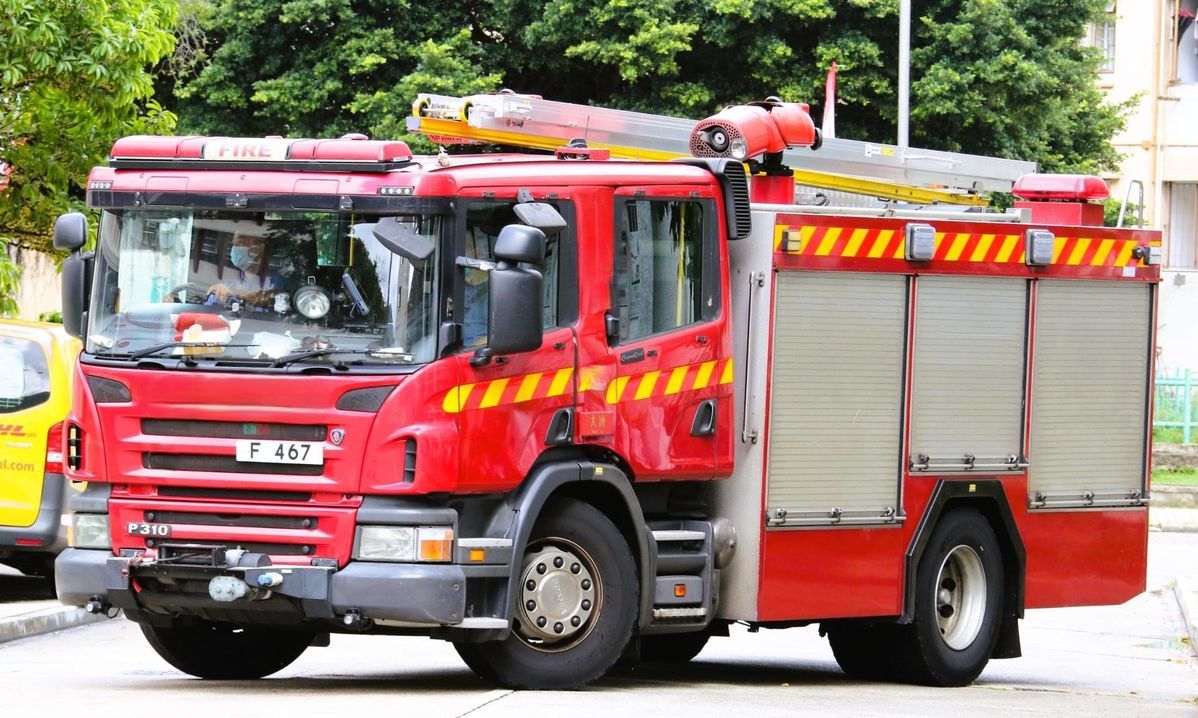
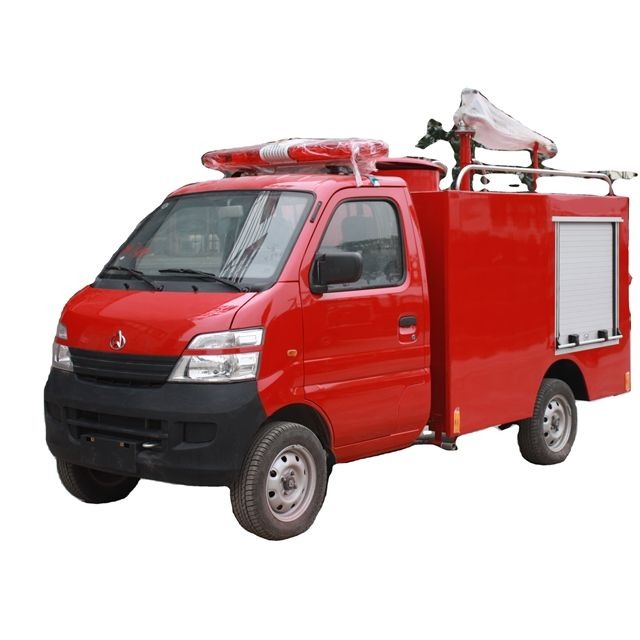
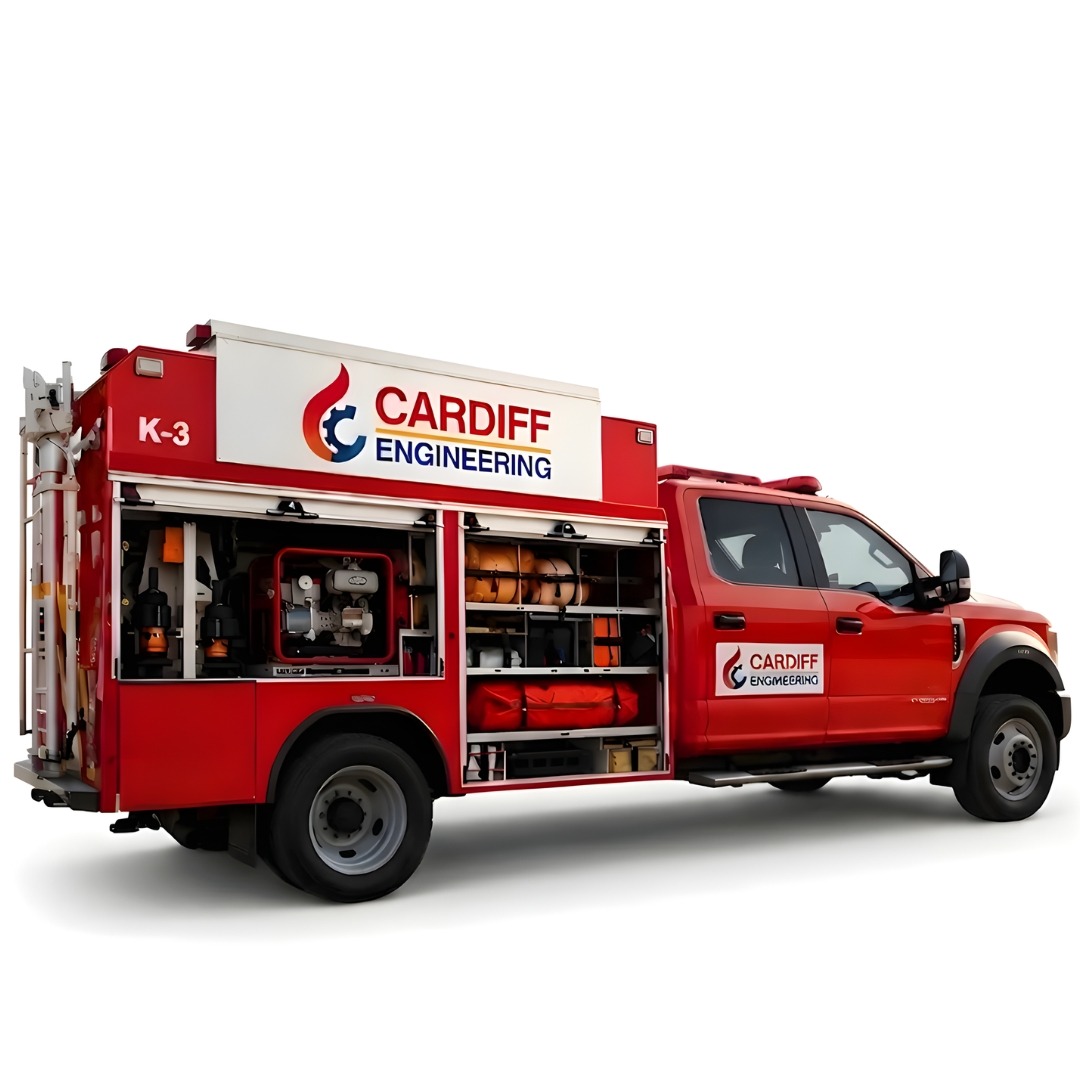
This is where mobile Water Mist Firefighting Units become essential. Mounted on purpose built vehicle platforms, these units bring high-pressure water mist suppression capability to any location, combining the efficiency and effectiveness of water mist technology with the mobility and rapid response capability of a modern emergency vehicle.
A mobile unit can be positioned at the perimeter of an incident and operate without depending on local water infrastructure. It can be deployed alongside conventional tenders as a specialist asset in a larger response, or operate independently in environments where a conventional tender would be impractical or ineffective.
For industrial operators managing large sites with multiple risk zones, a mobile water mist unit offers a flexibility that no fixed installation can match the ability to bring the right suppression tool to wherever the hazard is.
Water Mist vs Conventional Firefighting: Understanding the Difference
Many fire safety professionals encountering water mist technology for the first time ask a straightforward question: why not just use more water? The answer lies in understanding what fire suppression is actually trying to achieve.
Conventional firefighting works primarily through cooling, applying large volumes of water to absorb heat and bring a burning material below its ignition temperature. It is effective, but it is also indiscriminate. Everything in the path of a fire hose gets wet, whether it needs to or not.
Water mist suppression targets the fire environment rather than simply flooding it. The fine droplets cool the combustion zone rapidly, displace oxygen from the immediate fire area, and reduce radiant heat dramatically all while using water volumes that can be as low as ten percent of what a conventional system would require for the same suppression effect.
For environments where what you are protecting is as important as what you are suppressing, this distinction is not a technical footnote. It is the entire value proposition.
Water Mist Firefighting in Pakistan: A Growing Opportunity
Pakistan’s industrial expansion, its growing aviation sector, the development of Special Economic Zones, and increasing investment in healthcare and data infrastructure are all creating demand for fire suppression solutions that go beyond what traditional methods can provide.
Awareness of water mist technology among facility managers, fire safety officers, and procurement teams in Pakistan is still developing, which means organizations that adopt it now are positioning themselves ahead of a regulatory and operational curve that is moving in one clear direction.
International standards including those from NFPA, IMO, and FM Global increasingly reference water mist systems in their guidelines for specific applications. As Pakistan’s own safety regulatory environment continues to align with international standards, demand for compliant water mist solutions will only accelerate.
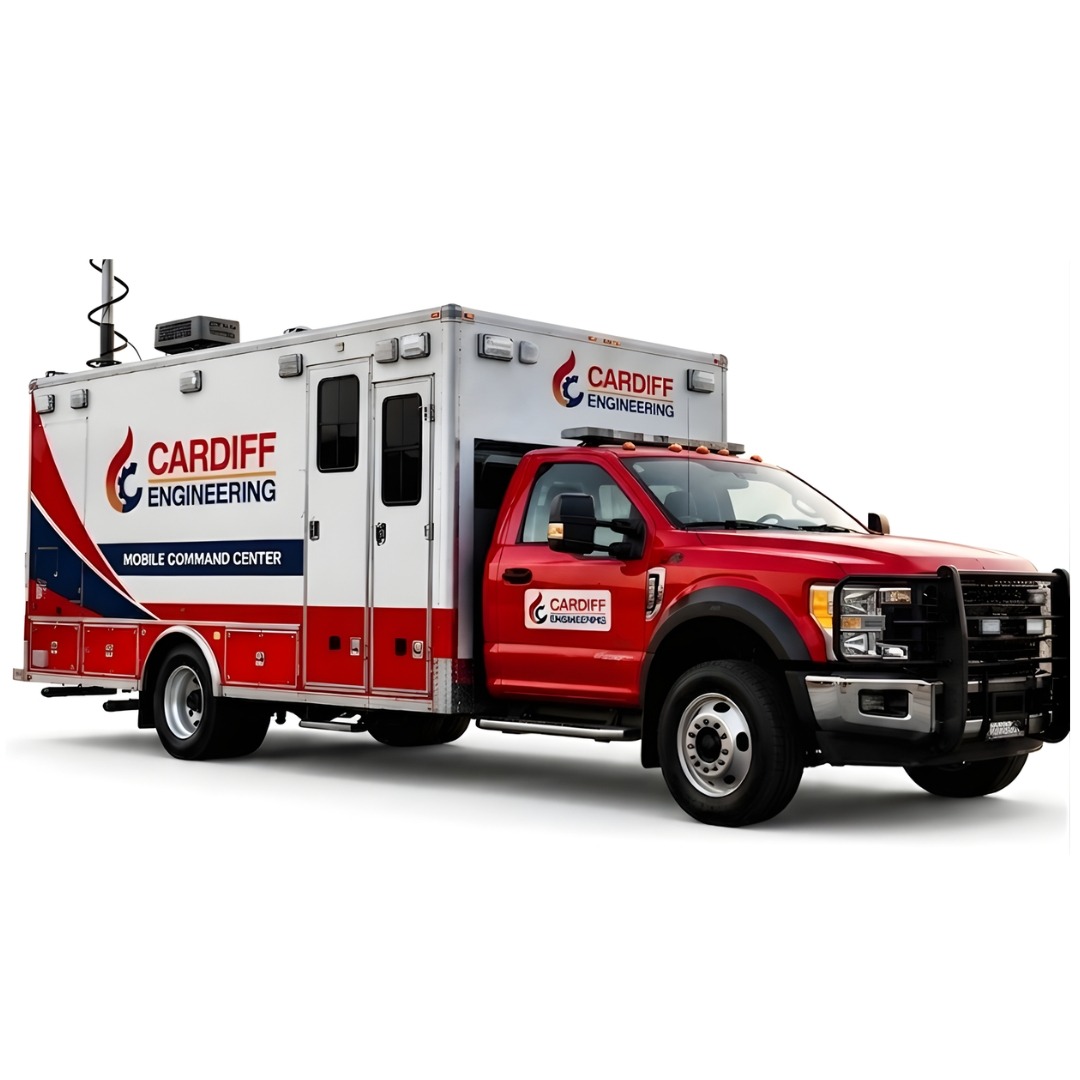
Cardiff Engineering Services works with organizations across Pakistan to understand their fire suppression requirements and develop mobile firefighting solutions appropriate for their operational environment and risk profile.
Frequently Asked Questions (FAQs)
Is water mist firefighting effective on all types of fire?
Water mist is highly effective on Class A fires involving ordinary combustibles, Class B fires involving flammable liquids, and fires involving energized electrical equipment. It is less suited to certain deep-seated fires in bulk materials, where conventional suppression or specialist agents may be required.
Does water mist cause water damage like conventional firefighting?
Water mist systems use significantly less water than conventional systems often as little as ten percent of the volume. This dramatically reduces collateral water damage, making them suitable for environments containing sensitive equipment, documents, or irreplaceable assets.
Is water mist technology safe to use around people?
Yes. Unlike chemical suppression agents such as CO2 or certain clean agents, water mist poses no inhalation hazard to people in the suppression zone, making it particularly suitable for occupied spaces.
What pressure does a water mist system operate at?
Water mist systems are typically classified as low pressure, intermediate pressure, or high pressure depending on the operating range. High pressure systems, operating above 35 bar, generally produce the finest droplets and the most efficient suppression performance.
Can a mobile water mist unit operate without an external water supply?
Yes. Mobile units carry onboard water tanks and can operate independently of local water infrastructure, making them suitable for remote industrial sites, disaster response environments, and locations where hydrant access is limited or unavailable.
How is a water mist firefighting unit maintained?
Regular inspection of nozzles, pump systems, pressure components, and water quality is essential for maintaining performance. Maintenance schedules should follow manufacturer guidelines and applicable national and international standards.
Is water mist technology environmentally friendly?
Water mist systems use clean water without chemical additives, making them one of the most environmentally responsible fire suppression technologies available. They produce no toxic residue and have no ozone depletion potential.
What industries benefit most from mobile water mist units?
Aviation, oil and gas, petrochemical, marine, healthcare, data infrastructure, pharmaceutical manufacturing, and heritage preservation are among the sectors that benefit most from water mist technology given their specific asset protection and suppression requirements.
Conclusion
Fire suppression has evolved. The technology available to emergency responders, facility managers, and safety teams today is vastly more sophisticated than what existed even a decade ago and water mist firefighting stands at the forefront of that evolution.
For organizations operating in environments where the cost of a fire is measured not just in the flames but in everything those flames touch, water mist technology offers a smarter, more precise, and more responsible approach to fire suppression. Mobile Water Mist Firefighting Units bring that capability wherever it is needed, combining modern suppression science with the flexibility and rapid response that real world emergencies demand.
Understanding the technology is the first step. Deploying it effectively is where the real protection begins.