Some emergencies fit neatly into categories. A fire is a fire. A medical emergency requires medical care. A rescue requires specialist equipment.
However, real emergencies are rarely that simple.
A factory fire may trap workers who need immediate rescue. A road accident may involve serious injuries, fuel leaks, and fire risk. Likewise, a building collapse may start fires while people remain trapped under debris.
Therefore, emergency teams often face several hazards at the same time.
This is exactly why the Fire and Rescue Vehicle exists.
It combines firefighting and rescue capabilities in one emergency response platform. As a result, trained teams can respond to several immediate hazards without waiting for multiple specialist vehicles.
What Is a Fire and Rescue Vehicle?
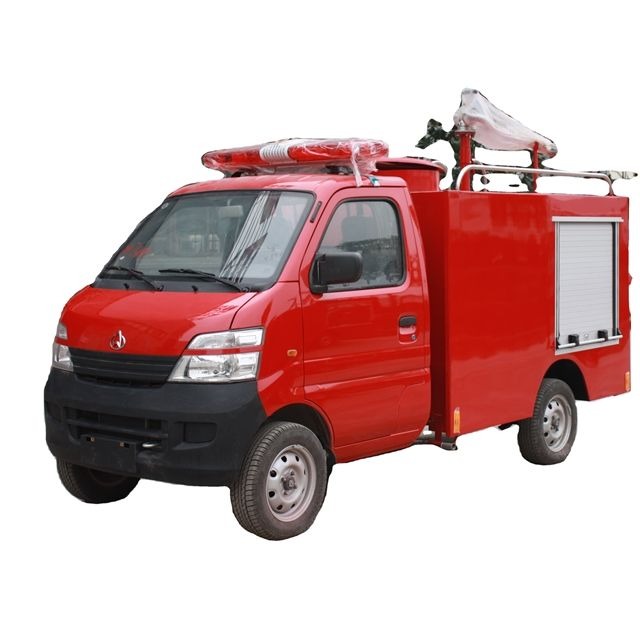
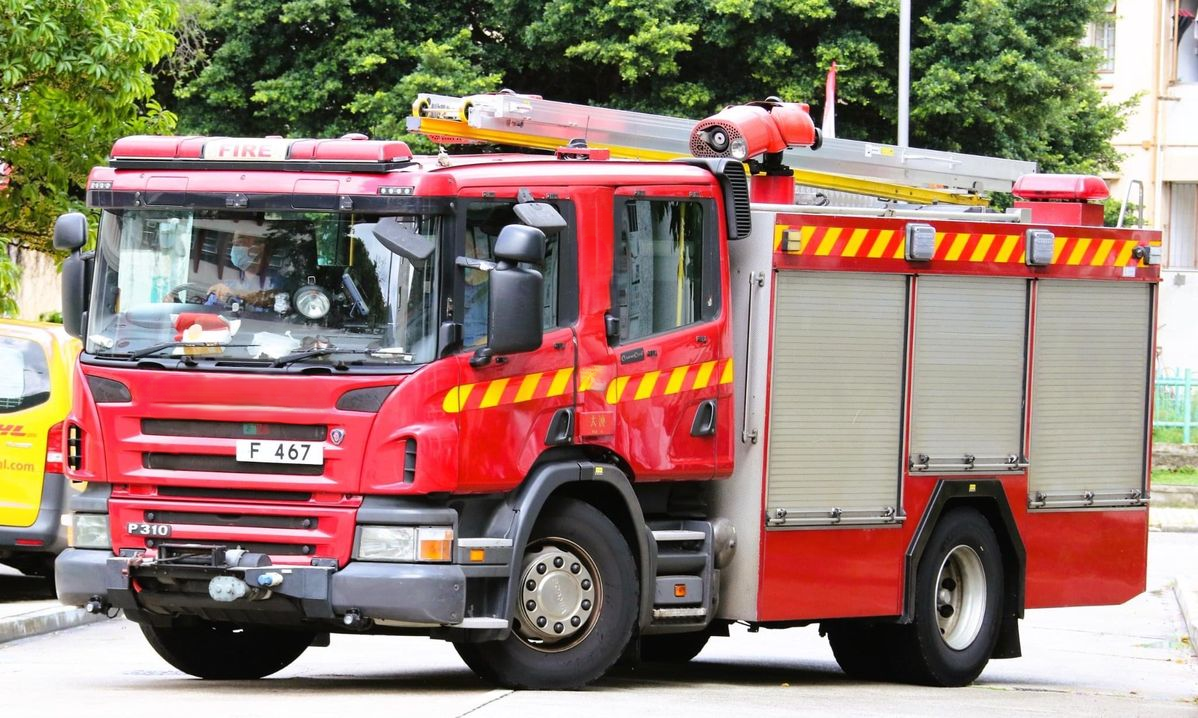
A Fire and Rescue Vehicle is a combined emergency response unit.
It brings fire suppression equipment and technical rescue tools together in one vehicle.
A traditional fire tender mainly focuses on firefighting. Meanwhile, a dedicated rescue unit carries specialist equipment for rescue and extraction.
A Fire and Rescue Vehicle combines these capabilities.
Therefore, one trained crew can begin both firefighting and rescue operations at a complex emergency scene.
Why Combined Capability Matters
Fire and rescue hazards often occur together.
For example, road accidents can involve trapped passengers and vehicle fires. Building incidents may involve fire and structural damage. Industrial accidents can combine fire, chemical hazards, and injured workers.
In these situations, responding to only one hazard may not be enough.
A combined Fire and Rescue Vehicle helps close this operational gap. It gives emergency teams the tools to address several immediate threats from one platform.
The Operational Case for Combined Fire and Rescue Capability
Traditional emergency services often use separate specialist vehicles.
Fire tenders respond to fires. Rescue units handle technical rescue. Ambulances provide medical response.
This model can work extremely well in areas with strong emergency infrastructure.
For example, large cities may have several fire stations and good road networks. Therefore, multiple specialist vehicles can often reach an incident quickly.
However, these conditions do not exist everywhere in Pakistan.
Emergency Response in Remote Areas
Industrial facilities may operate far from major cities. Highways can cross remote areas, while smaller communities may have limited emergency resources.
In these locations, waiting for several specialist vehicles can delay critical operations.
A combined Fire and Rescue Vehicle offers another option.
It allows one trained team to begin both firefighting and rescue work while additional resources travel to the scene.
Supporting Private and Industrial Emergency Teams
Private organizations increasingly need their own emergency response capabilities.
Factories, universities, hospitals, corporate campuses, ports, and other large facilities can face several types of emergencies.
Maintaining separate specialist vehicles may not always be practical.
Therefore, a Fire and Rescue Vehicle can provide broad initial response capability from a single vehicle investment.
Where Fire and Rescue Vehicles Deliver the Greatest Impact
Fire and Rescue Vehicles can support many operational environments. However, they offer particular value where fire and rescue hazards overlap.
Industrial Facilities and Manufacturing Plants
Industrial environments can create both fire and entrapment risks.
Machinery incidents may trap operators. Production fires can threaten workers. Chemical incidents may also require both suppression and rescue operations.
Therefore, industrial emergency teams need flexible response capability.
A Fire and Rescue Vehicle positioned on site allows trained personnel to begin an immediate response.
The team can start firefighting and rescue operations without waiting for separate external units to arrive.
Highway and Road Accident Response
Road traffic accidents can create several hazards at once.
A serious collision may involve trapped occupants, fuel spills, fire, and injured casualties.
A fire tender can address the fire. A rescue unit can handle entrapment. However, both vehicles may take time to reach remote highway locations.
A strategically positioned Fire and Rescue Vehicle can begin addressing both problems.
As a result, emergency teams can reduce the response gap during the critical first minutes after an accident.
Airports and Aviation Facilities
Airports require strong emergency response capabilities.
Aircraft operations involve fuel and fire risks. At the same time, accidents can create complex rescue requirements.
Dedicated aviation firefighting vehicles remain important for aircraft emergencies.
However, Fire and Rescue Vehicles can support incidents across the wider airport environment. These may include buildings, workshops, parking areas, service roads, and other infrastructure.
Therefore, they can provide valuable additional emergency coverage.
Ports and Maritime Facilities
Ports combine several industrial hazards.
Fuel, cargo, heavy equipment, warehouses, vehicles, and confined areas can all create emergency risks.
A single incident may involve fire and entrapment at the same time.
Therefore, Fire and Rescue Vehicles can provide port emergency teams with flexible response capability.
Civil Defence and Municipal Emergency Services
Smaller municipalities may not have the resources to maintain several specialist emergency vehicles.
In these situations, a Fire and Rescue Vehicle can provide broad capability from one platform.
It can support firefighting, road rescue, basic technical rescue, and other emergency operations.
As a result, it can become an important asset for developing municipal and civil defence services.
Corporate Campuses and Large Institutions
Universities, hospitals, hotels, and corporate campuses can contain large populations.
They also include complex buildings, roads, parking areas, electrical systems, kitchens, and service areas.
Therefore, several types of emergencies can occur.
A Fire and Rescue Vehicle can support responses to fires, vehicle accidents, and certain entrapment situations.
This combined capability can strengthen an organization’s overall emergency preparedness.
What a Fire and Rescue Vehicle Carries
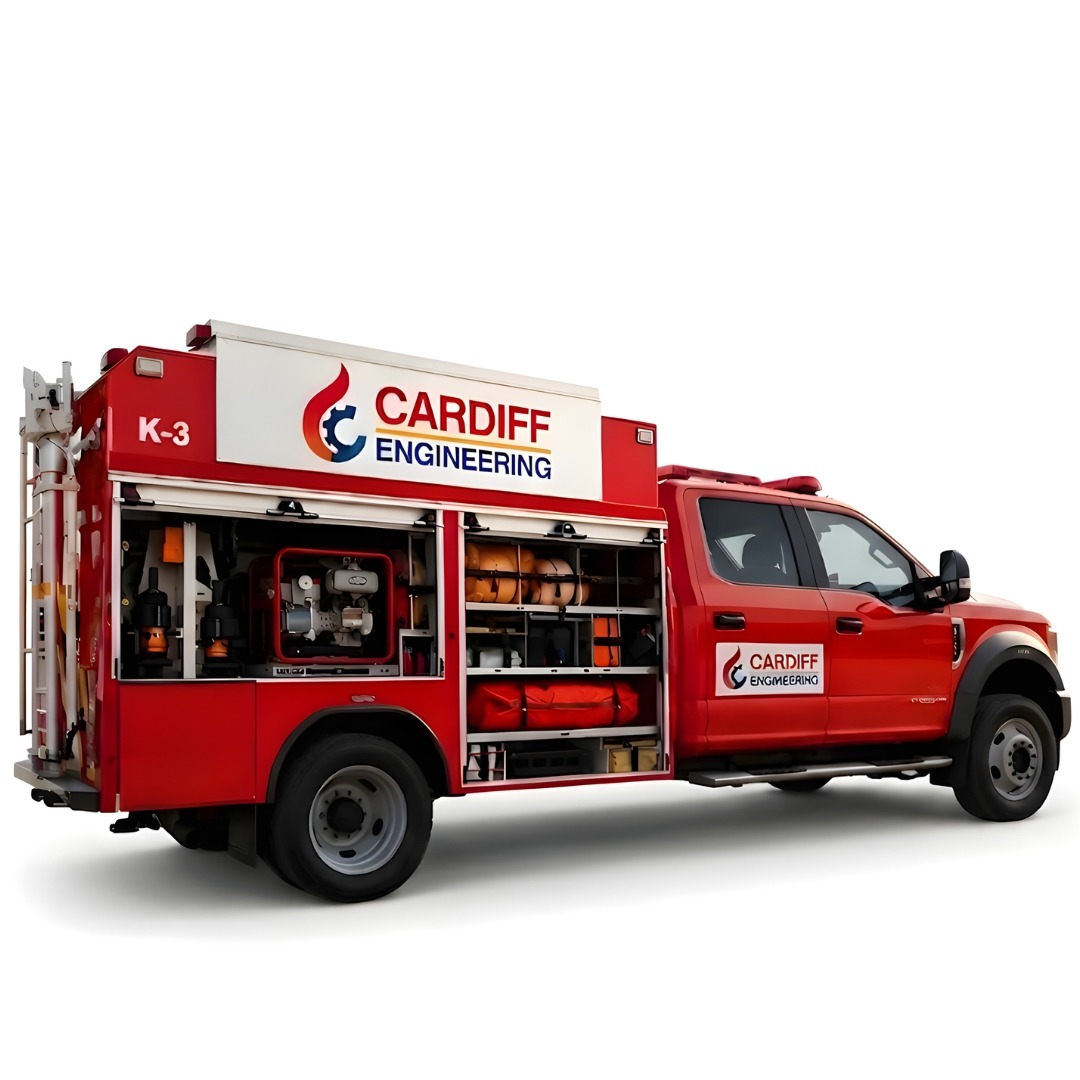
The equipment on a Fire and Rescue Vehicle reflects its combined mission.
On the firefighting side, the vehicle can carry a pump, water tank, hoses, nozzles, and other suppression equipment.
On the rescue side, it can carry hydraulic tools, powered cutting equipment, ropes, lighting, and protective equipment.
The exact equipment should always match the expected operational risks.
Fire Suppression Equipment
A well-specified Fire and Rescue Vehicle includes equipment for effective initial fire attack.
A suitable pump provides the required water pressure and flow. Hose reels allow crews to begin a fast initial attack.
Larger hoses can support longer firefighting operations.
In addition, different nozzles allow crews to adapt to different fire conditions.
Some vehicles may also include foam systems.
Foam capability can be particularly important where flammable liquid fires are a significant risk.
Rescue and Extrication Tools
Technical rescue requires specialist tools.
Hydraulic spreaders, cutters, and rams can support vehicle extrication and other rescue operations.
Battery-powered cutting equipment can also provide flexibility where other systems are difficult to use.
In addition, the vehicle may carry lifting equipment, ropes, and rigging systems.
Portable lighting is also important. It allows teams to work during nighttime operations or in areas with poor visibility.
Breathing Apparatus
Smoke can contain toxic gases and dangerous combustion products.
Therefore, firefighters need suitable respiratory protection before entering smoke-filled environments.
A Fire and Rescue Vehicle can carry self-contained breathing apparatus for trained personnel.
It can also carry supporting equipment needed to manage breathing apparatus safely during emergency operations.
Personal Protective Equipment
Emergency crews face several hazards during combined fire and rescue operations.
Therefore, suitable personal protective equipment is essential.
The vehicle can carry PPE appropriate for the expected firefighting and rescue activities.
Correct PPE helps protect responders while they work around heat, debris, sharp materials, smoke, and other hazards.
First Aid and Casualty Care
Rescue teams often reach injured people before an ambulance can provide advanced care.
Therefore, a well-equipped Fire and Rescue Vehicle can carry trauma first aid supplies.
Trained responders can use this equipment to provide immediate basic care at the rescue point.
However, the vehicle does not replace a dedicated ambulance.
Instead, it provides important first care while medical transport and additional resources are on the way.
Fire and Rescue Vehicles in Pakistan’s Evolving Emergency Landscape
Pakistan’s emergency response sector continues to develop.
Professional emergency services have increased awareness of the importance of fast and organized response.
At the same time, industrial development is creating new emergency response requirements.
Factories, industrial zones, infrastructure projects, institutions, and private facilities increasingly need suitable on-site resources.
Growing Need for On-Site Response
Large facilities may face fire, rescue, medical, and industrial hazards.
In addition, some facilities are located far from municipal emergency services.
Therefore, external response times can become an important concern.
Organizations can reduce this gap by developing trained internal emergency teams and providing suitable equipment.
A Fire and Rescue Vehicle can become a central part of this capability.
Broad Capability From One Vehicle
Maintaining several specialist vehicles requires significant resources.
Organizations need trained personnel, storage, maintenance programs, equipment, and operational budgets for each vehicle.
A combined vehicle can provide a practical alternative where broad initial response capability is required.
As a result, organizations can cover several common emergency scenarios from one platform.
However, complex incidents may still require additional specialist resources.
Selecting the Right Fire and Rescue Vehicle
There is no single specification that suits every organization.
The right vehicle depends on the hazards, terrain, facility layout, crew size, and operational requirements.
Therefore, organizations should assess these factors before selecting a vehicle.
Identify the Main Emergency Risks
The first step is to identify the incidents most likely to occur.
An industrial facility may face machinery fires, chemical incidents, and worker entrapment.
A highway response unit may focus more heavily on vehicle fires and road accident extrication.
Meanwhile, a university campus may require a different combination of capabilities.
The vehicle specification should reflect these real risks.
Consider Terrain and Access
Vehicle mobility is another important factor.
A unit operating on highways may have different requirements from one serving mountainous terrain.
Likewise, a port facility on flat ground may require a different chassis from a remote industrial operation.
Therefore, organizations should select the vehicle platform according to actual access conditions.
Match Equipment to the Hazard Profile
Not every organization needs the same equipment.
For example, a facility with significant flammable liquid risk may require foam firefighting capability.
A highway response unit may prioritize hydraulic extrication equipment.
Therefore, equipment selection should follow the hazard assessment rather than a generic checklist.
Consider Crew Capability
Equipment only provides value when personnel know how to use it safely.
Organizations should consider crew size, training, competence, and operational procedures when developing the vehicle specification.
Regular exercises are also important.
They help teams maintain their skills and identify gaps before a real emergency occurs.
Build for Real Operational Requirements
A Fire and Rescue Vehicle should provide genuine emergency capability rather than simply create the appearance of preparedness.
Therefore, every major system should support a realistic operational requirement.
Cardiff Engineering Services works with safety managers, emergency planners, and procurement teams to develop suitable Fire and Rescue Vehicle solutions.
Each specification can reflect the client’s hazards, operating environment, crew requirements, and response objectives.
Frequently Asked Questions (FAQs)
What is the difference between a Fire and Rescue Vehicle and a standard fire tender?
A standard fire tender mainly focuses on fire suppression. It typically carries water, pumping systems, hoses, and firefighting equipment. A Fire and Rescue Vehicle also carries technical rescue equipment. Therefore, one trained team can support both firefighting and rescue operations.
Who needs a Fire and Rescue Vehicle?
Industrial facilities, highway response teams, airports, ports, hospitals, universities, corporate campuses, municipalities, and civil defence organizations may benefit from one. It is particularly useful where both fire and rescue incidents are possible.
Can a Fire and Rescue Vehicle replace both a fire tender and a rescue unit?
It can provide combined capability for many initial response operations. However, its capacity depends on the vehicle specification, crew, equipment, and incident. Large or complex emergencies may still require specialist fire, rescue, or medical resources.
What rescue operations can a Fire and Rescue Vehicle support?
Depending on its equipment, it can support road accident extrication, machinery entrapment, rescue from fire-affected areas, lift incidents, and some light structural rescue operations. More complex incidents may require additional specialist teams.
Does a Fire and Rescue Vehicle carry medical equipment?
Yes. A suitable vehicle can carry trauma first aid and basic casualty care equipment. However, it does not replace a dedicated ambulance or advanced medical team.
What size crew operates a Fire and Rescue Vehicle?
Crew size depends on the vehicle and operational requirements. Organizations should determine staffing according to the tasks that responders are expected to perform.
How does a Fire and Rescue Vehicle perform in difficult terrain?
Performance depends on the chassis and drive configuration. Vehicles intended for difficult environments can use high-clearance platforms and four-wheel drive. Therefore, the vehicle should match the terrain of its intended operational area.
What maintenance does a Fire and Rescue Vehicle require?
Regular maintenance can include mechanical servicing, pump testing, hose inspection, hydraulic tool servicing, breathing apparatus testing, and equipment checks.
A structured preventive maintenance program helps keep the vehicle ready for emergency deployment.
Conclusion
Real emergencies do not always fit into one category.
A road accident may involve fire and trapped casualties. An industrial incident may combine fire, damaged machinery, and injured workers. Likewise, a building emergency may require both firefighting and rescue.
Therefore, emergency teams need flexible capabilities.
A Fire and Rescue Vehicle combines firefighting and technical rescue equipment in one platform.
This approach can provide significant value to industrial facilities, highway response teams, institutions, municipalities, and other organizations.
It is especially useful where multiple specialist vehicles cannot reach an incident immediately.
However, selecting the right vehicle requires careful planning.
Organizations should consider their hazards, terrain, equipment needs, crew capability, and expected response scenarios.
With the right specification and trained personnel, a Fire and Rescue Vehicle can become a powerful part of an organization’s emergency preparedness strategy.
It is not simply a compromise between firefighting and rescue.
It is an integrated emergency response asset designed for the complex incidents that happen in the real world.