In any high risk environment, whether it is an airport runway, an oil refinery, an industrial facility, or a densely built urban zone, the first few minutes of an emergency are the most critical. Standard fire tenders and heavy rescue units are powerful, but they are not always fast enough to reach the point of crisis before a situation escalates beyond control. This is exactly the operational gap that the Rapid Intervention Vehicle was designed to fill.
The Rapid Intervention Vehicle, commonly known as an RIV, is one of the most important yet least discussed categories of emergency response equipment in South Asia. As Pakistan’s industrial sector grows and safety standards tighten, the demand for properly equipped RIVs is rising sharply among facility managers, airport authorities, and emergency services alike.
By Cardiff Engineering Services | Special Purpose Vehicles & Custom Fabrication
What Is a Rapid Intervention Vehicle?
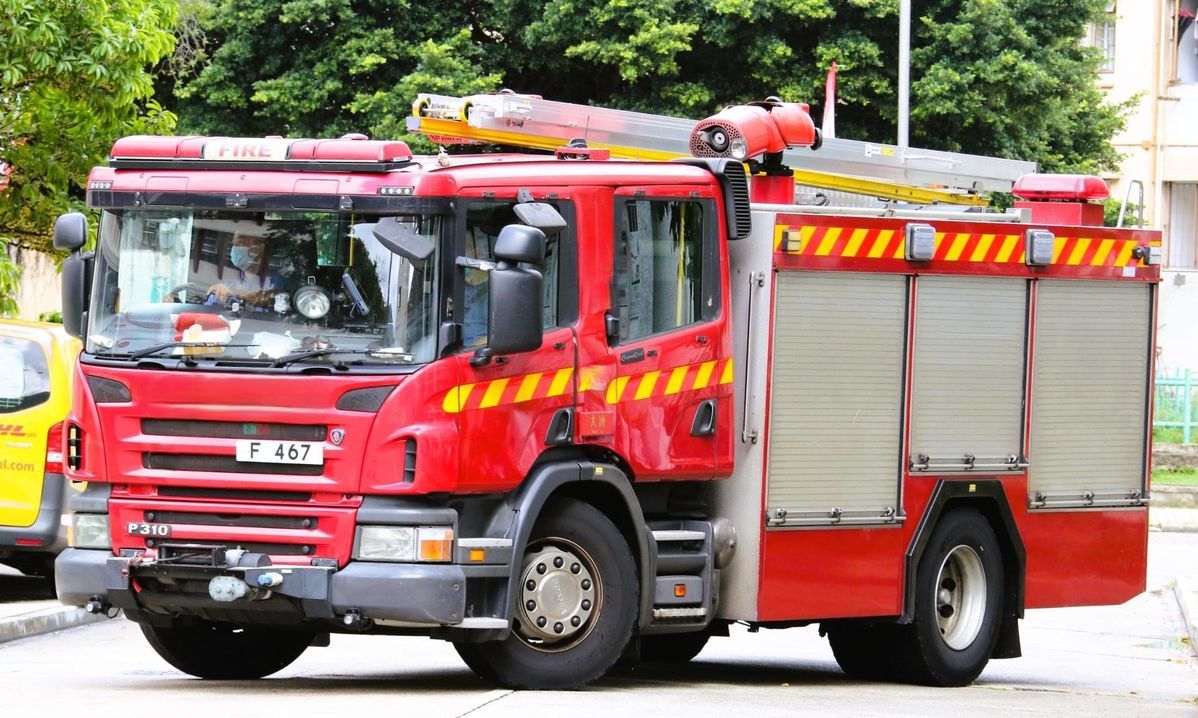
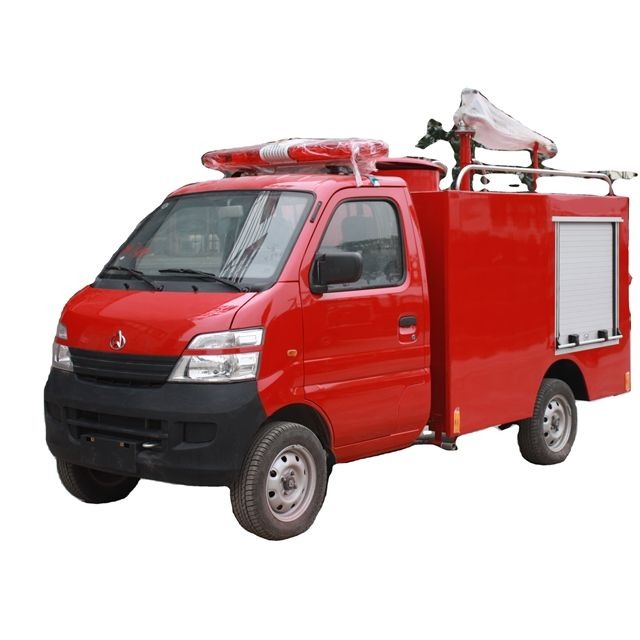
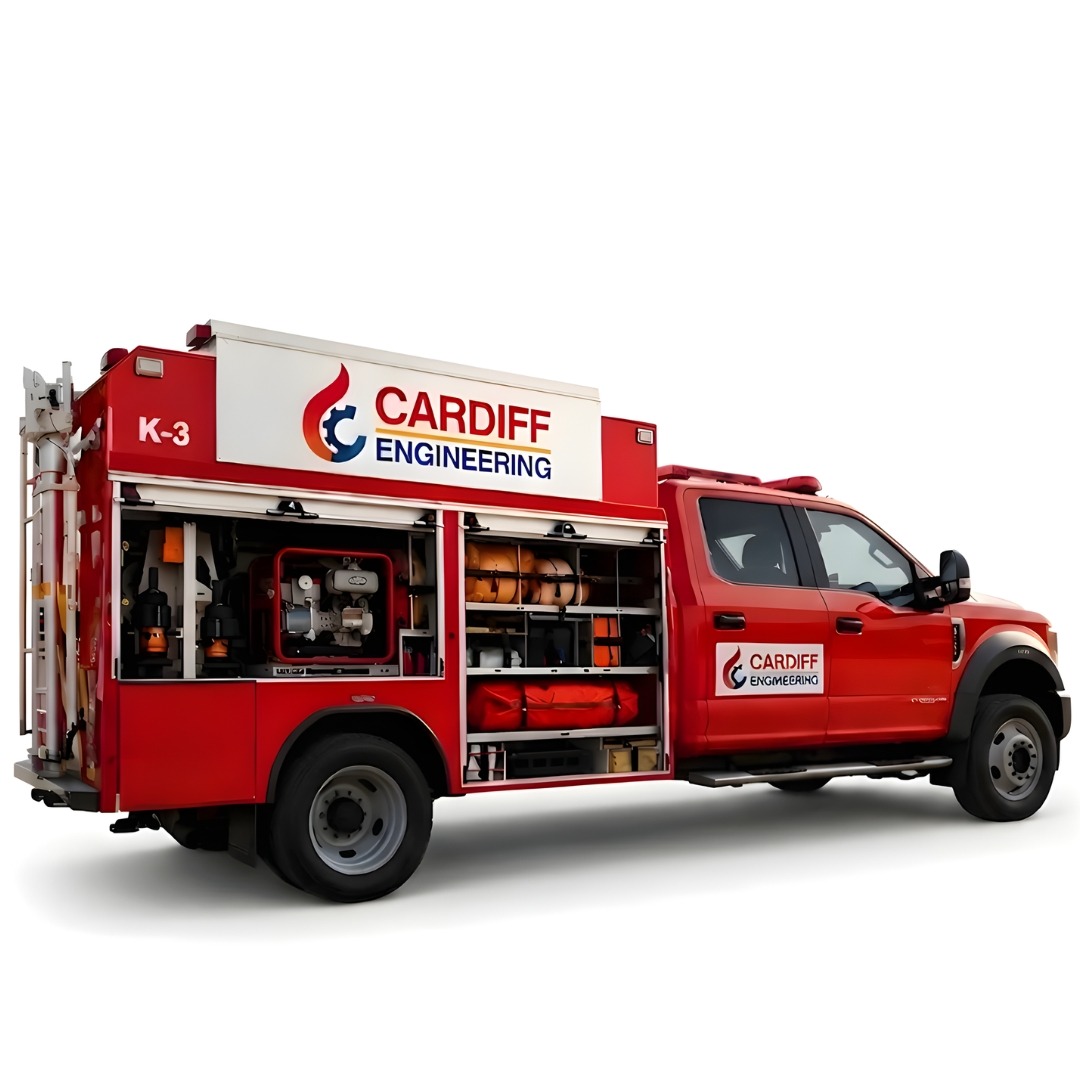
A Rapid Intervention Vehicle is a compact, high-speed emergency response unit designed to reach an incident scene within the shortest possible time and initiate suppression or rescue operations before larger, heavier units arrive. Speed and agility are its primary advantages. It is not meant to replace a full fire tender or a heavy rescue truck it is meant to arrive first and buy critical time.
In aviation firefighting, the RIV is a standard requirement under ICAO and CAA regulations for airport crash response. In industrial firefighting, it serves as the first attack unit in facilities where every second of delay increases the risk of catastrophic loss. In urban emergency services, it bridges the gap between a standard patrol response and a full fire brigade deployment.
The vehicle is typically compact enough to navigate tight spaces, fast enough to respond before panic sets in, and equipped enough to begin meaningful intervention from the moment it arrives.
Where Rapid Intervention Vehicles Are Used
The application of RIVs is broader than most people realize. Aviation authorities deploy them on airport aprons where aircraft emergencies demand a response measured in seconds. Oil and gas companies position them at refineries, pipelines, and drilling sites where a fuel fire can become a catastrophe within minutes. Large manufacturing plants and industrial estates keep RIVs on standby as part of their in-house emergency response teams. Ports and cargo terminals use them to respond to vehicle fires and hazardous material incidents across large open yards. Hotels, hospitals, and large commercial complexes in major cities are increasingly incorporating them into their private emergency response planning.
In each of these environments, the common thread is the same. The hazard is real, the response window is short, and a vehicle that arrives fast and acts immediately saves lives and infrastructure that a delayed response cannot.
Why RIVs Matter More Than Ever in Pakistan
Pakistan’s industrial base has expanded significantly over the past decade. The China-Pakistan Economic Corridor has brought new industrial zones, energy projects, and infrastructure developments across the country. Special Economic Zones are operational in multiple provinces. Airport traffic and aviation infrastructure have grown. Petrochemical and refinery capacity has increased.
All of this growth brings with it a heightened need for emergency response infrastructure that matches the scale and risk profile of modern industrial operations. Yet investment in specialized emergency vehicles has not kept pace with industrial expansion in many facilities across the country.
A single incident at an inadequately protected industrial facility, a refinery fire, an aircraft crash on a runway without proper RIV coverage, an explosion in a chemical plant can result in losses that dwarf the cost of years of proper emergency vehicle investment. The business case for RIVs is not complicated.
Regulatory pressure is also increasing. As Pakistan aligns more closely with international safety standards for airports, oil installations, and large industrial facilities, RIV deployment is moving from a best practice recommendation to a compliance requirement in many sectors.
Key Characteristics of an Effective RIV
While every RIV is configured for its specific operational environment, the most effective units share a set of core characteristics.
Response speed is non-negotiable. An RIV that cannot reach the incident point quickly enough defeats its own purpose. Compact dimensions allow it to operate in confined spaces where larger vehicles cannot maneuver. Onboard suppression capability, whether water, foam, dry powder, or a combination, allows first responders to begin attacking a fire or hazard without waiting for backup. Crew protection ensures that responders can operate in proximity to a hazard without becoming casualties themselves. And reliable communication systems keep the RIV connected to command and incoming units from the moment it deploys.
Choosing the Right RIV for Your Facility
Every operational environment presents a different set of demands, and selecting the right rapid intervention vehicle requires a clear eyed assessment of your specific risk profile, terrain, response distance, hazard type, and regulatory requirements.
An airport RIV operates under ICAO Category standards that specify response times, suppression agent capacities, and crew requirements down to precise measurements. An industrial RIV at a petrochemical plant has entirely different specifications driven by the nature of the hazards on site. A facility in a flood prone or off-road environment needs a unit with very different chassis and drive characteristics than one operating on smooth tarmac.
Getting this specification right from the start is what separates an RIV that genuinely protects a facility from one that simply satisfies a procurement checklist.
The Role of Specialized Vehicle Manufacturers
Because RIVs are purpose-built for specific operational contexts, they are not vehicles you find in a standard showroom. They require manufacturers with genuine expertise in emergency vehicle engineering, an understanding of the regulatory environment the vehicle will operate in, and the ability to translate a facility’s risk profile into a vehicle specification that actually works under pressure.
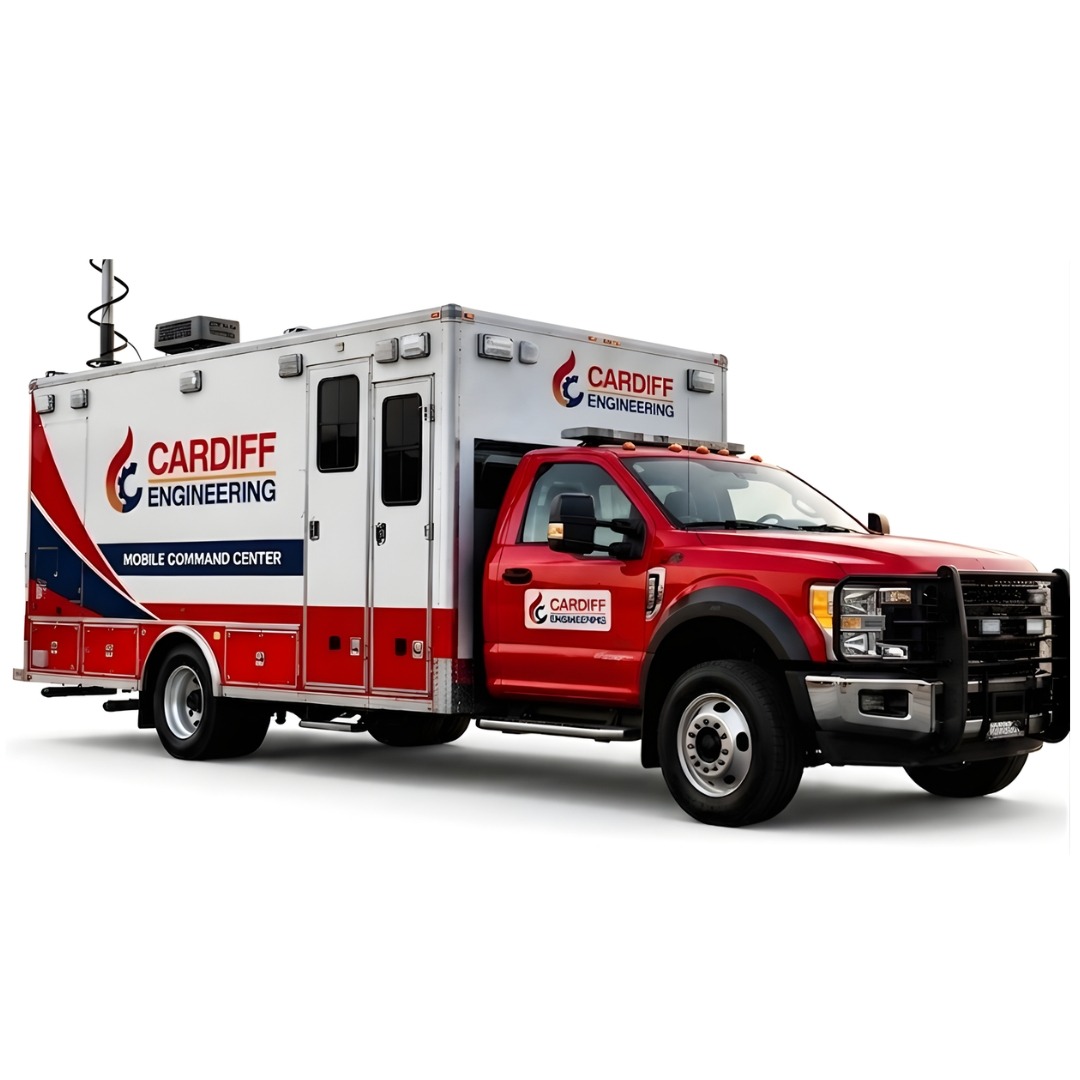
Cardiff Engineering Services works with emergency response planners, facility safety managers, and procurement teams to develop RIV solutions appropriate for each client’s environment and operational requirements.