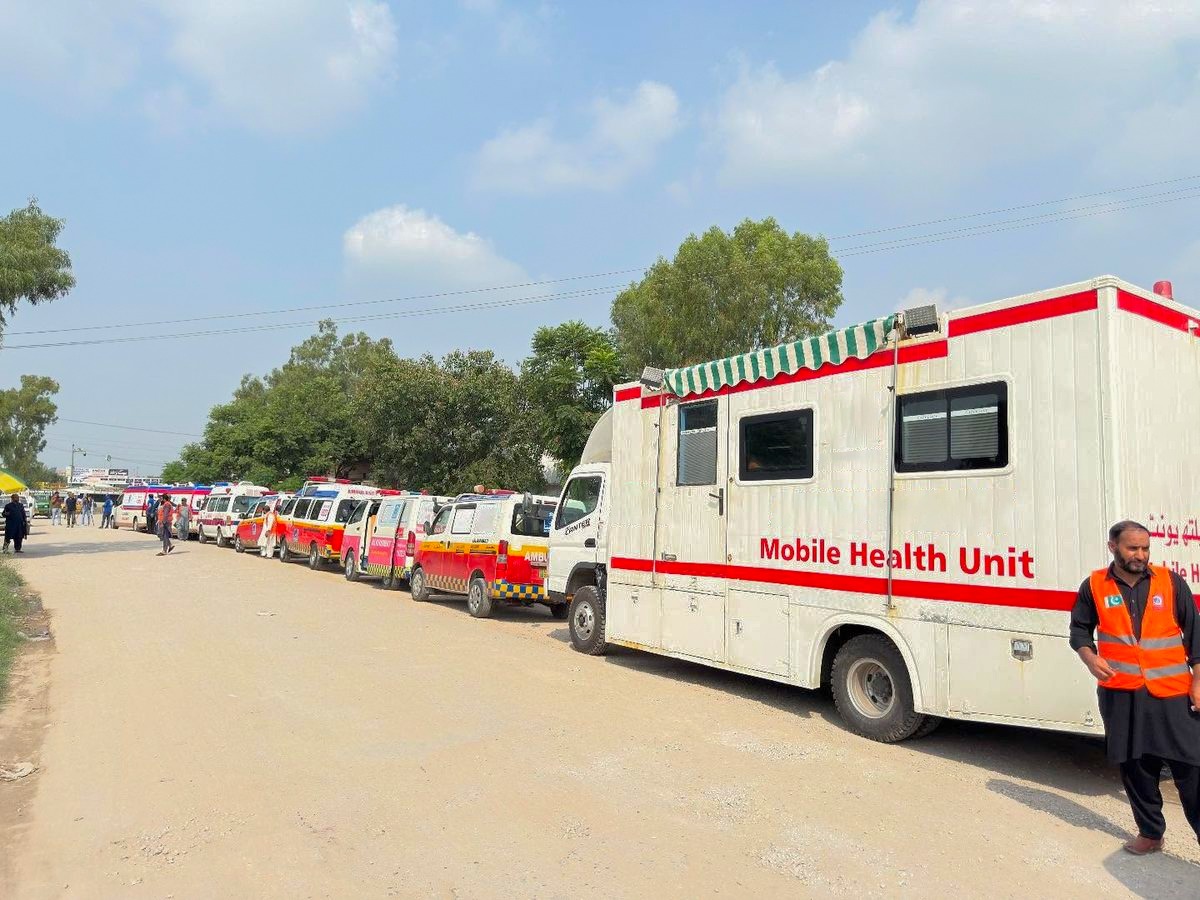
No one can choose when a disaster will happen. A flash flood does not wait for emergency services to prepare. An earthquake can strike within seconds. Likewise, a chemical spill can create an immediate emergency.
Therefore, organizations and communities must prepare before disaster strikes.
One of the most important assets in modern emergency management is the Disaster Response Vehicle.
A Disaster Response Vehicle is not simply one vehicle with a fixed specification. Instead, it is a purpose-built emergency platform designed for difficult conditions.
It can operate where ordinary vehicles may struggle. In addition, it carries equipment, supplies, and communication systems needed during complex emergencies.
For Pakistan, this capability is especially important. Floods, earthquakes, industrial accidents, and difficult terrain can all affect emergency operations.
Understanding how these vehicles work can help organizations improve their disaster preparedness.
What Is a Disaster Response Vehicle?
A Disaster Response Vehicle is a specially configured emergency unit. It supports response operations across different hazards and environments.
Unlike many specialist emergency vehicles, it is designed for multiple functions.
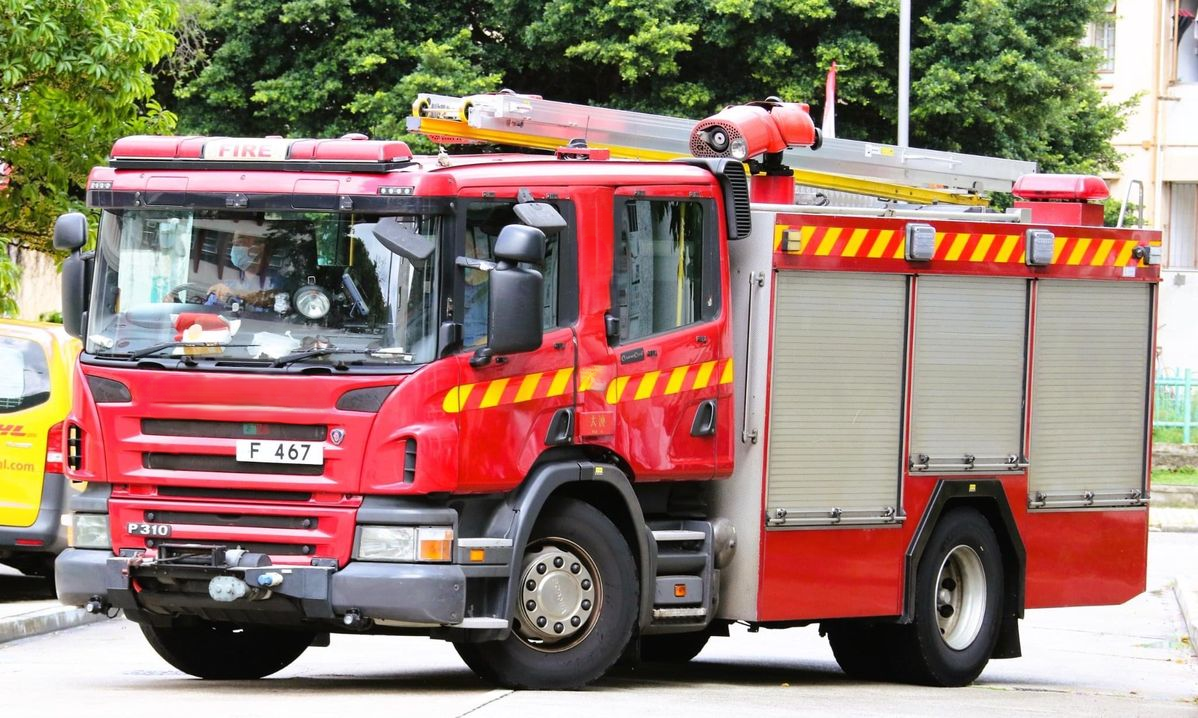
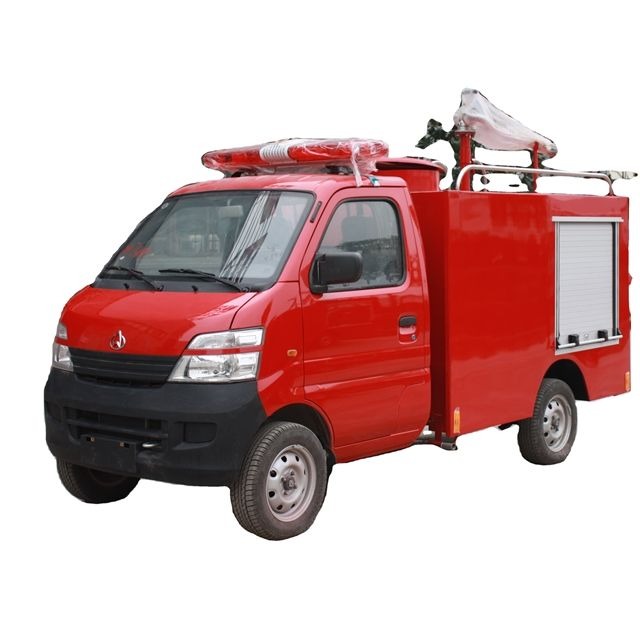
For example, a fire tender primarily supports firefighting. An ambulance focuses on patient care and transport. A Disaster Response Vehicle, however, can support several emergency activities from one mobile platform.
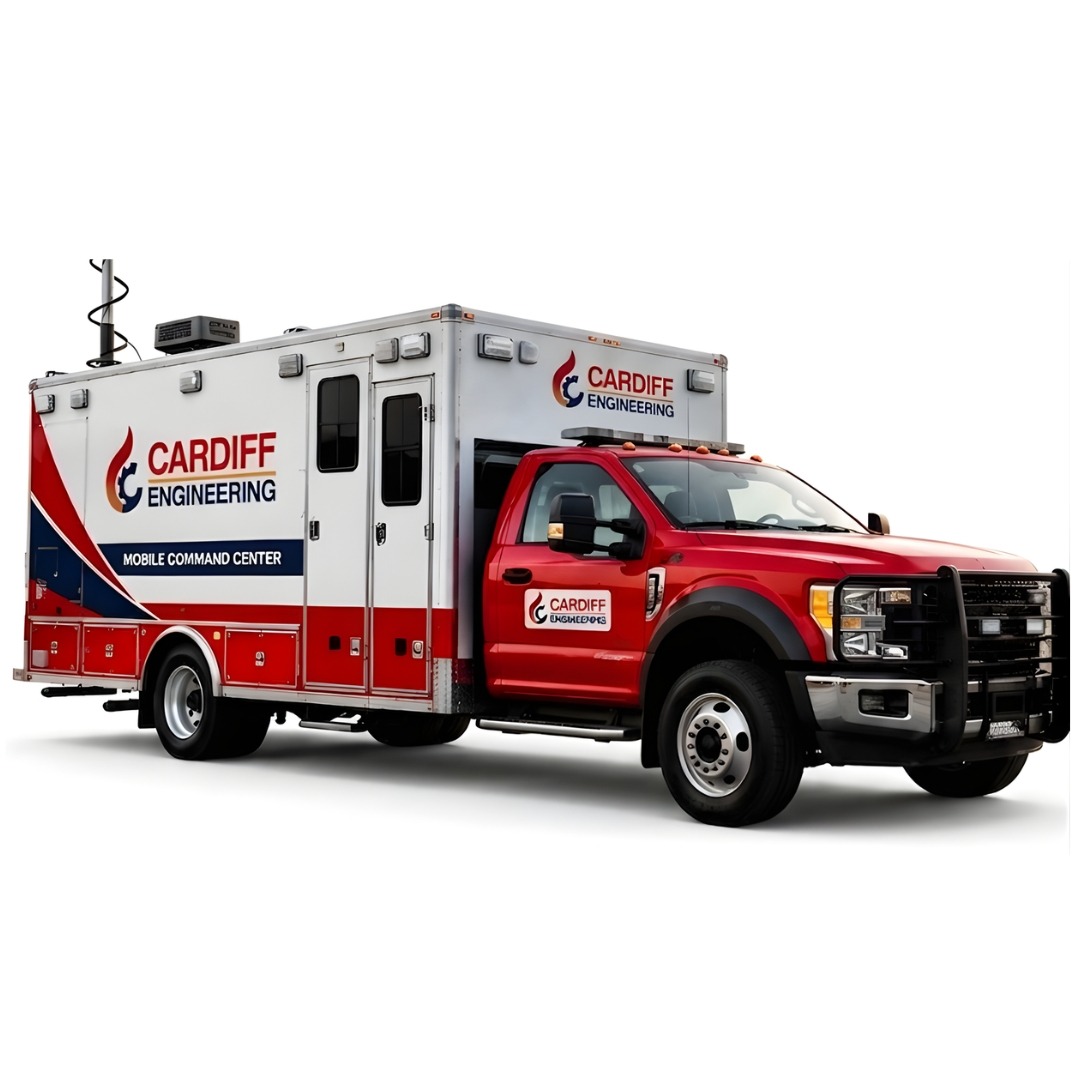
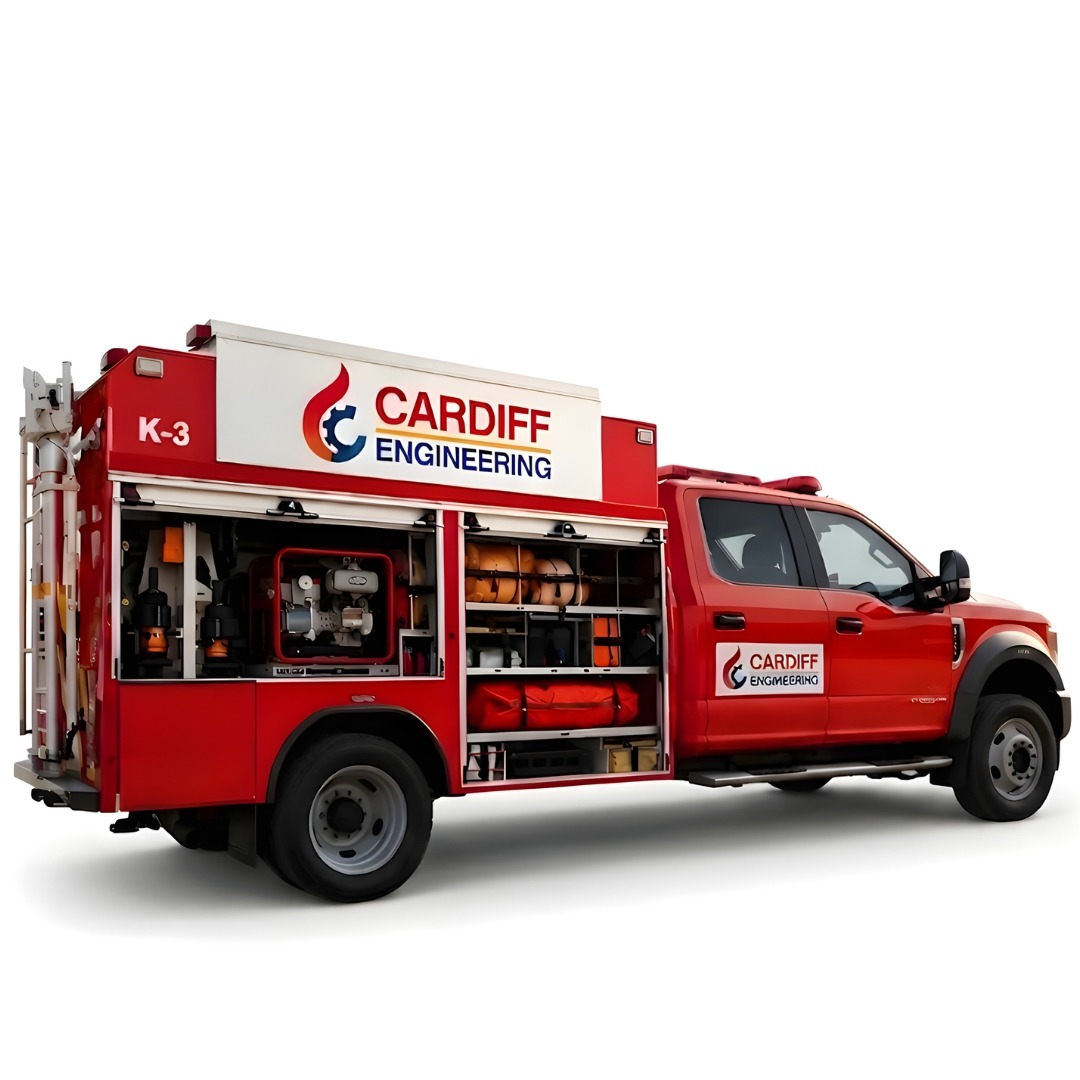
It can carry rescue tools, medical supplies, communication equipment, water, power systems, and survival supplies.
Moreover, it can operate when local infrastructure becomes unavailable.
Roads may be damaged after a disaster. Electricity and communication networks may also fail. Therefore, response teams need equipment that allows them to operate independently.
In simple terms, a Disaster Response Vehicle does more than transport responders. It brings essential response capability directly to the affected area.
Why Disaster Response Vehicles Are Critical in Pakistan
Pakistan faces a wide range of natural and industrial hazards.
Different regions experience different risks. These include earthquakes, monsoon flooding, flash floods, droughts, urban flooding, and industrial accidents.
Northern regions can also face glacial lake outburst floods. Meanwhile, growing industrial and energy sectors create additional emergency risks.
As a result, emergency teams must prepare for several types of incidents.
Reaching Difficult and Remote Areas
Major disasters can damage roads, bridges, power networks, and communication systems.
Urban and accessible areas may receive emergency assistance relatively quickly. However, remote and isolated communities can be much harder to reach.
Mountainous terrain can further delay emergency teams. Floodwater may also cut communities off from normal road access.
A properly configured Disaster Response Vehicle helps address this problem.
High ground clearance and suitable drive systems improve access to challenging locations. In addition, onboard equipment allows responders to begin operations as soon as they arrive.
Supporting Independent Emergency Operations
A major disaster may damage the infrastructure that emergency teams normally depend on.
For example, local electricity may fail. Mobile networks may stop working. Clean water and fuel may also become difficult to access.
Therefore, disaster response teams need a degree of self-sufficiency.
A well-equipped Disaster Response Vehicle can provide power, communications, water, medical supplies, rescue equipment, and basic logistical support.
As a result, responders can continue working even when local services are unavailable.
Core Capabilities of a Disaster Response Vehicle
The exact specification depends on the expected hazards and operating environment. However, several capabilities are particularly important.
Terrain Capability and Mobility
A Disaster Response Vehicle must reach the emergency location.
For this reason, mobility is one of its most important features.
High ground clearance and four-wheel drive can improve access in difficult conditions. Engineers should also select the chassis according to the expected terrain.
For example, flood-prone regions may require different mobility features from mountainous areas.
A vehicle may carry excellent equipment. However, that equipment has little value if the vehicle cannot reach the affected population.
Self-Sufficient Power Generation
Disasters often damage or interrupt electricity supplies.
Therefore, a Disaster Response Vehicle should carry an independent power source.
An onboard generator or alternative power system can support communication equipment, lighting, medical devices, and power tools.
This capability allows responders to operate without depending entirely on the local electricity network.
Communication Systems
Reliable communication is essential during a major emergency.
Several agencies and response teams may operate across different locations at the same time. Therefore, they need reliable methods to exchange information.
A Disaster Response Vehicle can carry VHF and UHF radio systems. It may also include satellite communication for areas where normal networks are unavailable.
In addition, the vehicle can support a temporary communication point near the incident area.
Reliable communication improves coordination and helps emergency teams use resources more effectively.
Water and Sanitation Supplies
Clean water becomes an immediate priority after many disasters.
Affected communities may lose access to safe drinking water. Response teams also need water during extended field operations.
Therefore, a Disaster Response Vehicle can carry clean water storage and purification equipment.
It may also provide basic water distribution capability.
This support can be especially valuable during the first stage of an emergency, before normal supply chains recover.
Rescue and Extraction Equipment
Disasters can trap people behind debris or damaged structures.
Therefore, response vehicles may carry equipment for light rescue and extraction.
This can include tools for cutting obstacles, moving debris, lifting objects, and opening access routes.
These tools allow responders to begin rescue work quickly.
In addition, teams may use them to clear routes for larger specialist vehicles and equipment.
Medical Supplies and First Aid Capability
Medical services can become overwhelmed after a major disaster.
In some cases, ambulances and medical teams may struggle to reach isolated areas.
Therefore, Disaster Response Vehicles can carry essential medical supplies.
These may support trauma care, wound management, fracture immobilization, oxygen delivery, and basic life support.
As a result, responders can provide important first care before formal medical transport becomes available.
Shelter and Survival Equipment
Disaster response operations can continue for many hours or even days.
Response teams must therefore sustain themselves in the field.
A Disaster Response Vehicle may carry temporary shelter, sleeping equipment, food, water, and other survival supplies.
The exact equipment should match the local climate and expected deployment period.
Self-sufficient teams can remain operational for longer without placing additional pressure on affected communities.
Types of Disaster Response Vehicles by Operational Context
Different hazards require different equipment.
Therefore, organizations should configure vehicles according to their actual operational risks rather than using one standard specification for every environment.
Flood Response Vehicle
Flooding is a major emergency risk in Pakistan.
A Flood Response Vehicle can use a high-clearance chassis and systems suitable for wet conditions. It may also carry inflatable rescue boats and water rescue equipment.
In addition, its configuration should support movement through soft or waterlogged terrain where possible.
This type of vehicle can support communities affected or isolated by rising water.
Earthquake and Urban Search Response Vehicle
Earthquakes can cause structural collapse and trap people inside damaged buildings.
Therefore, an earthquake response vehicle focuses more heavily on rescue equipment.
It may carry acoustic detection equipment, hydraulic rescue tools, structural shoring systems, and suitable personal protective equipment.
These resources help responders operate more effectively around unstable structures.
Multi-Hazard Disaster Response Vehicle
A Multi-Hazard Disaster Response Vehicle provides broader emergency capability.
Instead of focusing on one hazard, it carries equipment that can support several types of incidents.
This configuration may suit organizations that face multiple risks but cannot maintain separate vehicles for every hazard.
As a result, one platform can provide flexible support across different emergencies.
Industrial and Hazardous Material Disaster Vehicle
Industrial emergencies can involve chemical spills, toxic releases, fires, and infrastructure failures.
These incidents require specialist equipment.
An industrial or hazardous material response vehicle may carry detection instruments, chemical protective equipment, decontamination supplies, and specialized emergency tools.
The exact configuration should reflect the chemicals and hazards present at the facility or within the operational area.
The Role of Disaster Response Vehicles in Pakistan’s Emergency Framework
Pakistan has developed a formal disaster management structure at federal and provincial levels.
The National Disaster Management Authority plays a central role at the federal level. Provincial disaster management authorities also support preparedness and response within their respective areas.
Emergency rescue services have also expanded their capabilities.
However, Pakistan covers a large and geographically diverse area. Therefore, emergency resources may not always reach every affected location immediately.
Remote communities, industrial sites, energy facilities, mines, and infrastructure projects can face additional access challenges.
Supporting Organizational Preparedness
Government emergency services play an essential role during disasters. However, large organizations can also strengthen their own emergency preparedness.
Industrial operators, energy companies, mining operations, infrastructure developers, and major institutions may operate in high-risk or remote locations.
For these organizations, waiting for external resources may create delays during the critical early stages of an emergency.
A Disaster Response Vehicle can provide an immediate internal response capability.
It allows trained teams to begin rescue, communication, medical support, and other essential activities while additional assistance is on the way.
Planning Your Disaster Response Vehicle Specification
A Disaster Response Vehicle should match the real risks of its deployment environment.
Therefore, organizations should start with a detailed hazard and operational assessment.
Assess the Hazard Profile
First, identify the hazards most likely to affect the operating area.
These may include floods, earthquakes, industrial accidents, chemical releases, or several hazards together.
The hazard profile determines which equipment the vehicle should carry.
Consider Terrain and Access
Next, evaluate road and terrain conditions.
Mountain tracks, flood-prone roads, soft ground, and damaged urban environments require different vehicle capabilities.
Therefore, the chassis and drive system should match the intended operating environment.
Determine Team and Deployment Requirements
Organizations should also consider the number of responders who will use the vehicle.
The expected deployment duration matters as well.
Longer operations require additional fuel, water, food, power, and survival supplies.
As a result, logistical requirements should form part of the vehicle specification from the beginning.
Plan Communication Requirements
Communication needs vary by operating area.
Some locations may have reliable mobile coverage during normal conditions. However, disasters can damage communication infrastructure.
Therefore, organizations should consider radio and backup communication systems.
Satellite communication may also provide valuable support in remote areas or during major network failures.
Build the Specification Around Real Operations
A vehicle should not simply look impressive or satisfy a procurement checklist.
Instead, every major feature should support a realistic emergency function.
Cardiff Engineering Services works with emergency planners, safety teams, and procurement professionals to develop practical specifications.
The goal is to match the vehicle with the client’s hazards, terrain, response requirements, and operating environment.
Frequently Asked Questions (FAQs)
What is the primary purpose of a Disaster Response Vehicle?
A Disaster Response Vehicle delivers emergency response capability to disaster-affected areas. It can support rescue, first aid, communications, logistics, and survivor assistance when normal infrastructure becomes unavailable.
How is a Disaster Response Vehicle different from a Search and Rescue Vehicle?
A Search and Rescue Vehicle usually focuses on locating and extracting survivors. A Disaster Response Vehicle has a broader role. It can support rescue, medical care, communications, logistics, and responder sustainment.
What terrain can a Disaster Response Vehicle operate on?
Its capability depends on the vehicle specification. A suitable vehicle may operate on flood-affected roads, damaged surfaces, mountain tracks, and soft ground. Therefore, organizations should select the chassis according to the intended deployment environment.
Who should invest in a Disaster Response Vehicle?
Disaster management authorities, emergency services, industrial operators, energy companies, mining companies, infrastructure developers, and organizations in high-risk or remote areas may benefit from this capability.
Can a Disaster Response Vehicle operate without external power?
Yes, if it has been designed for self-sufficient operations. It can carry onboard power generation, fuel, water, and essential supplies for a planned deployment period.
What communication systems does a Disaster Response Vehicle carry?
The configuration may include VHF and UHF radios, satellite communication, and systems for establishing a temporary communication point. The exact equipment should match operational requirements.
How does a Disaster Response Vehicle support medical operations?
It can carry trauma supplies, wound care equipment, fracture immobilization systems, oxygen equipment, and basic life support resources. This allows trained responders to provide initial care before medical transport arrives.
How should organizations train personnel to operate a Disaster Response Vehicle?
Training should cover vehicle operation, onboard equipment, rescue procedures, first aid, communication systems, and relevant emergency hazards. In addition, regular exercises can help teams maintain readiness and identify operational gaps.
Conclusion
A Disaster Response Vehicle is more than a transport vehicle. It is a practical emergency response platform.
Pakistan faces floods, earthquakes, industrial incidents, and other emergencies. Therefore, organizations need to prepare before these events occur.
A properly configured vehicle can bring rescue tools, communications, medical supplies, power, water, and logistical support directly to an affected area.
It can also help trained teams operate when local infrastructure becomes unavailable.
Most importantly, effective disaster preparedness begins before an emergency.
Organizations that assess their risks, train their personnel, and invest in suitable response resources can react faster when every minute matters.
Preparedness is not pessimism. It is responsible planning.
Contact Cardiff Engineering Services
If you are evaluating a Disaster Response Vehicle for your organization, facility, or emergency service, Cardiff Engineering Services can help.
Our team can support the development of a vehicle specification based on your actual hazards, terrain, operating conditions, and emergency response requirements.
Contact Cardiff Engineering Services to discuss your Disaster Response Vehicle requirements and develop a solution designed for real-world emergency operations.