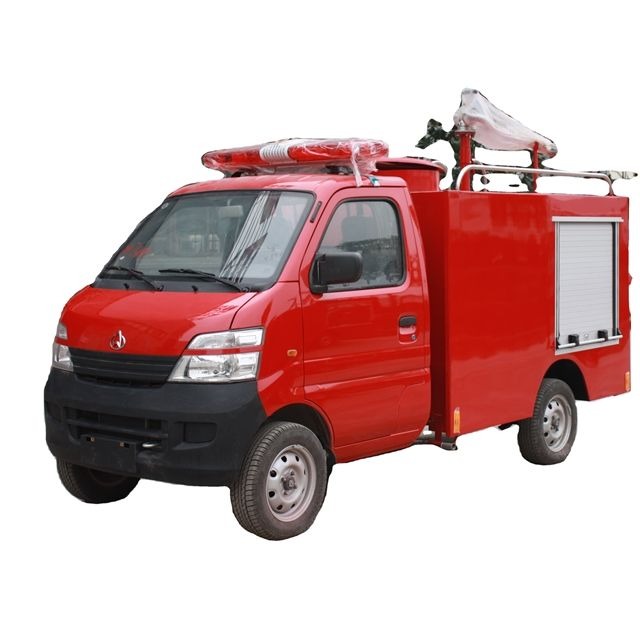
Fires do not wait for the right conditions. They do not pause while a heavy fire truck navigates a narrow lane. They do not wait through traffic or difficult access routes. A full-size fire tender may also struggle to reach a basement parking level. When that happens, a manageable fire can quickly become a serious emergency.
The Mini Fire Tender solves this access challenge. It offers a compact, agile, and fast firefighting solution. It can operate in areas where larger vehicles struggle to move. This makes it a valuable firefighting asset for facilities, industrial operators, and emergency services across Pakistan.
If you manage a hospital, university campus, industrial estate, housing society, or another built environment, access matters. Where fire risk exists, a Mini Fire Tender deserves serious consideration.
What Is a Mini Fire Tender?
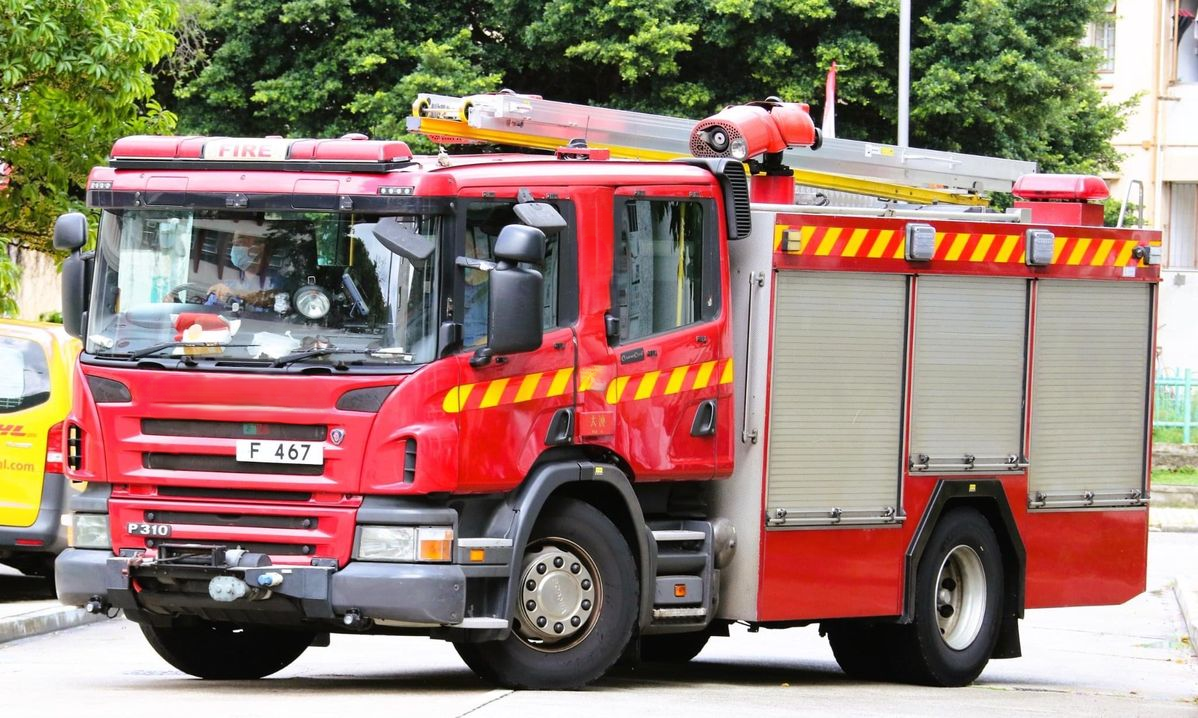
A Mini Fire Tender is a compact firefighting vehicle. It provides rapid fire suppression in areas where a standard full-size fire tender cannot operate effectively.
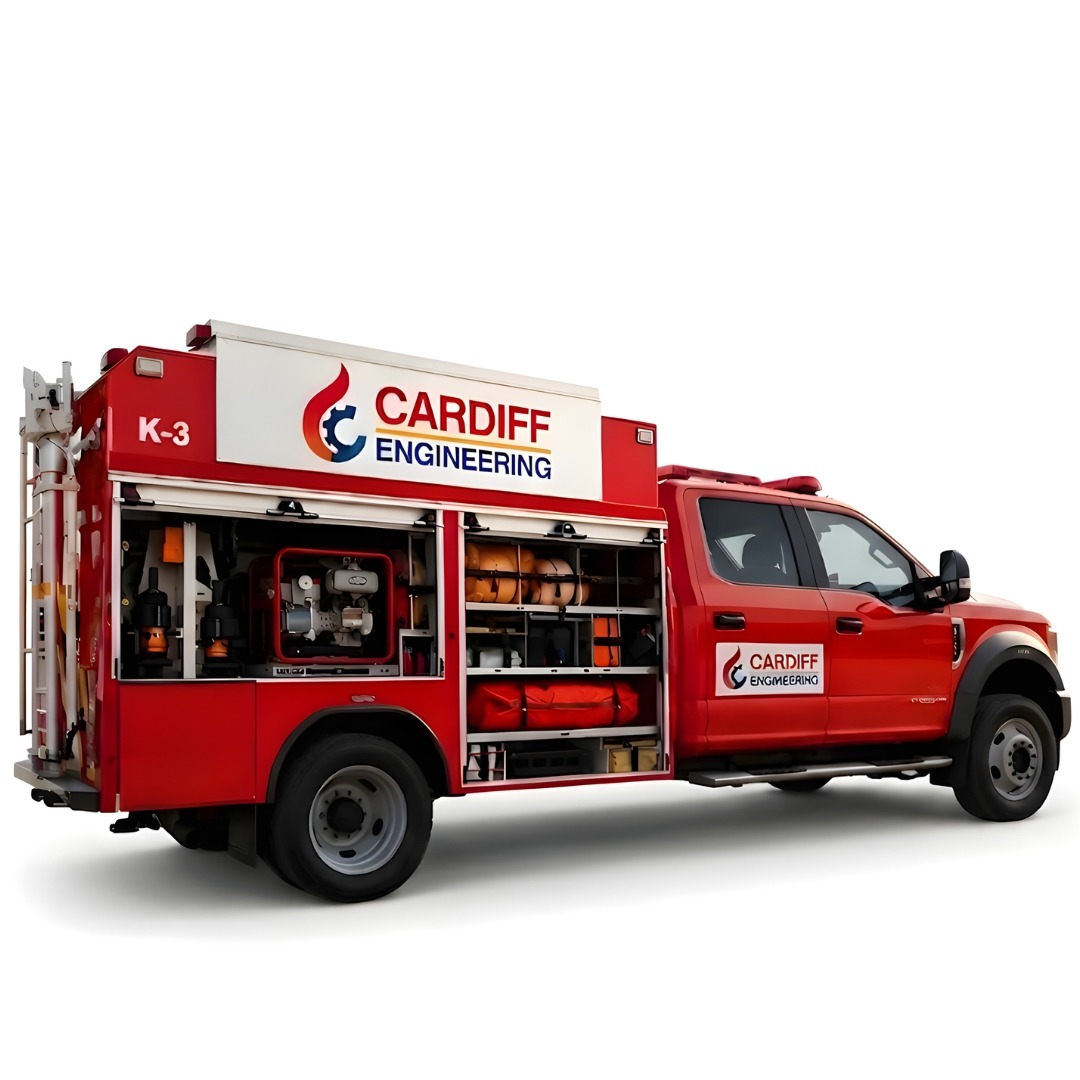
Manufacturers build these vehicles on light to medium commercial vehicle chassis. They equip them with water tanks, pump systems, hose reels, and essential firefighting equipment.
The compact design allows the vehicle to navigate:
- Narrow roads
- Low-clearance structures
- Basement parking areas
- Internal campus roads
- Densely built areas
- Confined industrial spaces
A Mini Fire Tender is not simply a smaller version of a conventional fire truck. It serves a specific operational need. In some locations, its compact design can provide access that a larger vehicle cannot achieve.
Why Compact Firefighting Vehicles Are in Growing Demand
Pakistan’s urban landscape creates several challenges for emergency response. Cities such as Lahore, Karachi, Faisalabad, and Rawalpindi continue to grow and develop densely.
Residential mohallas, commercial markets, and mixed-use developments often occupy narrow roads. Many of these roads were never designed for large emergency vehicles.
Challenges in Industrial Areas
Industrial estates often have better road planning. However, internal roads, warehouse corridors, and production areas can still restrict large fire tenders.
A compact firefighting vehicle can move through these areas more easily. It can reach the incident point quickly and begin the first attack.
Challenges in Hospitals and Campuses
Hospitals and university campuses create similar access challenges. Their layouts focus on pedestrians, patients, students, staff, and daily operations.
Basement parking, service roads, internal buildings, and restricted access points can slow larger vehicles.
Growing Fire Safety Awareness
Private facility operators, corporate organizations, and housing societies now pay greater attention to fire safety.
Many organizations previously relied entirely on municipal fire services. However, external response times can vary. Traffic and access restrictions can also delay emergency vehicles.
A Mini Fire Tender gives organizations an additional first-response capability. It can provide immediate support while external emergency services travel to the location.
Where Mini Fire Tenders Work Best
Industrial Estates and Manufacturing Facilities
Large industrial complexes often contain storage areas, production halls, and internal zones that restrict large vehicles.
A Mini Fire Tender stationed inside the facility can provide immediate first-attack capability. The crew can respond quickly and start suppression before the fire spreads.
The vehicle can also provide valuable support while external emergency resources travel to the site.
Hospitals and Healthcare Campuses
Hospitals present complex fire safety challenges. Patients may require additional assistance during evacuation. Medical gas systems can also increase fire-related risks.
Hospital buildings often contain corridors, service areas, parking levels, and internal access points.
A Mini Fire Tender can reach many of these areas more easily than a full-size vehicle. It can provide immediate suppression support during the early stages of an incident.
University and Educational Campuses
Large educational institutions often contain several buildings and internal roads. They also accommodate large numbers of students and staff every day.
A Mini Fire Tender gives campus security and facilities teams a practical first-response option. The vehicle can reach a campus building quickly and support initial fire suppression.
Housing Societies and Residential Developments
Large gated communities often have internal roads and multiple residential blocks. Some areas may also contain narrow access routes.
A Mini Fire Tender can provide an immediate response within the community. It can reach residential blocks, common areas, and other locations while municipal emergency services travel to the site.
Airports and Aviation Support Facilities
Dedicated aviation firefighting vehicles handle airport crash response. However, airports also contain many other facilities.
Cargo areas, maintenance hangars, terminal buildings, and support infrastructure can benefit from compact firefighting coverage.
A Mini Fire Tender can respond quickly to non-aviation fire incidents across these areas.
Hotels, Commercial Complexes, and Shopping Centers
Large commercial properties often contain basement levels, kitchens, service corridors, and high-occupancy areas.
These environments can create difficult access conditions for large fire vehicles.
A Mini Fire Tender can provide an on-site first response. The crew can begin initial suppression while staff evacuate guests and customers and external services travel to the property.
Municipal and Semi-Urban Fire Services
Smaller municipalities and semi-urban areas may not have a large fire station fleet.
A Mini Fire Tender can provide a practical starting point for organized fire response. Local authorities can use the vehicle to address immediate community needs while they develop larger emergency infrastructure.
Key Capabilities of a Well-Specified Mini Fire Tender
Organizations should evaluate more than the vehicle’s size. They should also review its firefighting equipment and operational capabilities.
A properly specified Mini Fire Tender should provide the equipment needed for effective first-response operations.
Onboard Water Capacity
A Mini Fire Tender carries an onboard water tank for initial firefighting operations.
Tank capacity varies according to the vehicle size and intended application. Organizations should select a capacity that supports meaningful suppression rather than a minimal water supply.
High-Performance Pump System
The pump plays a central role in firefighting performance.
A well-specified Mini Fire Tender should use a pump that delivers the required flow rate and pressure. Pump performance directly affects the vehicle’s suppression capability.
Hose Reels and Delivery Equipment
A capable vehicle should include a fast-attack hose reel for immediate deployment.
It should also provide larger-diameter delivery hose for sustained operations where required.
This equipment allows crews to move from an initial attack to a more sustained suppression operation.
Firefighting Equipment and PPE Storage
Organized storage helps crews access equipment quickly.
The vehicle can carry personal protective equipment, breathing apparatus where specified, hand tools, ladders, and other firefighting equipment.
Proper storage turns the vehicle into a complete response package rather than simply a mobile water carrier.
Communication and Warning Systems
Emergency lighting and audible warning systems help the vehicle move safely during an emergency.
Communication equipment also allows the crew to coordinate with other responding resources.
Mini Fire Tender vs Full-Size Fire Tender
Organizations often ask whether a Mini Fire Tender can replace a full-size fire tender.
These vehicles serve different operational purposes.
Full-Size Fire Tender
A full-size fire tender carries more water, equipment, and suppression capacity. It suits large structural fires, major industrial incidents, and situations that require sustained high-volume firefighting.
Mini Fire Tender
A Mini Fire Tender focuses on access and rapid initial response.
Its compact design allows it to enter constrained environments. It can reach areas where a larger vehicle may struggle to maneuver.
Using Both Vehicles Together
An effective fire response system can use both vehicle types.
The Mini Fire Tender can provide immediate first-attack capability. A full-size tender can then provide greater water capacity and sustained suppression for larger incidents.
For organizations that cannot accommodate a full-size vehicle, a Mini Fire Tender can provide practical firefighting capability within their available space and resources.
Regulatory and Safety Considerations
Fire safety requirements in Pakistan can vary by building type, location, industry, and risk level.
Relevant requirements may involve building codes, factory rules, provincial authorities, emergency services, and industrial regulators.
Organizations should verify their specific requirements with the relevant authority before selecting a firefighting vehicle.
On-Site Firefighting Capability
A Mini Fire Tender can support an organization’s on-site emergency response strategy.
It may also contribute to fire safety requirements for certain facility types. Organizations should confirm applicable requirements with inspectors, regulators, and other relevant authorities.
Insurance Considerations
Fire protection measures can also form part of an organization’s overall risk management strategy.
Facilities that maintain suitable firefighting equipment and trained personnel can demonstrate a structured approach to emergency preparedness.
Organizations should discuss specific insurance requirements with their insurer or broker.
Training and Operational Readiness
A Mini Fire Tender can only deliver its intended value when trained personnel operate it correctly.
Buying the vehicle represents the first step. Teams also need training in vehicle operation, pump management, hose deployment, and basic firefighting procedures.
Train the Response Team
Industrial fire teams, security personnel, and facilities staff can receive relevant firefighting and vehicle operation training from qualified training providers.
Organizations should include training in their overall fire safety program.
Maintain Regular Readiness
Regular refresher exercises help teams maintain operational skills.
Organizations should also test the vehicle, pump, hoses, communication equipment, and other firefighting systems according to their maintenance and safety procedures.
Frequently Asked Questions (FAQs)
What is a Mini Fire Tender used for?
A Mini Fire Tender provides rapid first-attack firefighting capability.
It works particularly well in narrow roads, basement areas, campus roads, and confined industrial spaces. It can begin initial suppression while larger emergency resources travel to the incident.
How is a Mini Fire Tender different from a standard fire truck?
The main differences involve size, maneuverability, water capacity, and operational role.
A Mini Fire Tender uses a compact chassis. This design helps it reach locations that may restrict a full-size fire truck.
Who should invest in a Mini Fire Tender?
Hospitals, universities, industrial estates, housing societies, hotels, commercial complexes, airports, and smaller municipalities can consider Mini Fire Tender capability.
It can prove especially useful where narrow access routes make external response more difficult.
Does a Mini Fire Tender require a specially licensed driver?
Licensing requirements depend on the vehicle’s gross weight and the regulations that apply in the province of operation.
Many Mini Fire Tenders may fall within standard commercial vehicle licensing categories. Organizations should confirm the applicable requirements with the relevant local authority.
Can a Mini Fire Tender use foam as well as water?
Yes. A Mini Fire Tender can include foam proportioning equipment when the application requires it.
This configuration allows the vehicle to deploy foam solution for certain Class B fire scenarios involving flammable liquids. Water remains suitable for conventional Class A fire suppression.
What maintenance does a Mini Fire Tender require?
Regular maintenance can include:
- Vehicle mechanical servicing
- Pump inspection and testing
- Hose inspection and pressure testing
- Firefighting equipment checks
- Water tank inspection
- Emergency lighting checks
- Communication equipment checks
A preventive maintenance schedule helps keep the vehicle operational and ready for emergencies.
How quickly can a Mini Fire Tender respond to an incident?
Response time depends on crew readiness, vehicle location, and site conditions.
A trained crew with a ready vehicle can respond quickly after an alarm. Proper vehicle positioning and crew readiness therefore remain essential.
Is a Mini Fire Tender suitable for rural and semi-urban areas?
Yes. A Mini Fire Tender can provide useful firefighting capability in rural and semi-urban areas.
It can support communities and facilities that do not have immediate access to a large municipal fire service.
Conclusion
The Mini Fire Tender provides a practical firefighting solution for facilities with challenging access conditions.
Its compact design helps crews reach locations where larger vehicles may struggle. Its onboard firefighting systems can support rapid initial suppression.
Organizations should select the vehicle according to their site layout, fire risks, operational requirements, and applicable regulations.
In Pakistan, urban density and infrastructure limitations create real challenges for emergency response. A properly specified Mini Fire Tender can help organizations address those challenges.
With the right vehicle, trained personnel, maintenance program, and emergency response plan, organizations can strengthen their on-site fire protection capability and improve their readiness for emergencies.