Mobile ICU Ambulance | Special Purpose Vehicles & Custom Fabrication
When a patient suffers cardiac arrest miles from the nearest hospital, an ambulance becomes much more than a transport vehicle. It becomes a mobile emergency care unit. This need has encouraged healthcare providers, NGOs, and government agencies across South Asia to improve emergency medical services.
At Cardiff Engineering Services, we build advanced Mobile ICU Ambulances for critical patient care. Our team customizes each vehicle for clinical requirements and Pakistani road conditions. We also design the interior around the medical team’s workflow, equipment, and emergency procedures.
What Is a Mobile ICU Ambulance?
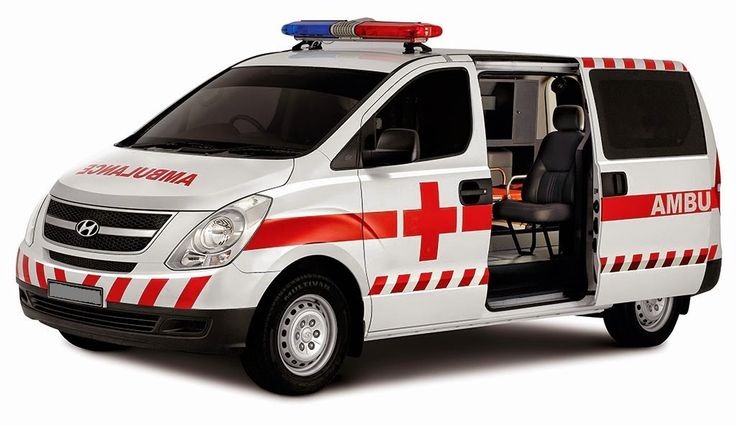
A Mobile ICU Ambulance, also known as an Advanced Life Support (ALS) Ambulance, provides intensive care during patient transport. It allows trained medical teams to provide critical treatment before the patient reaches the hospital.
Unlike a basic patient transport ambulance, a Mobile ICU carries advanced medical equipment. It can support patients with severe trauma, cardiac emergencies, respiratory failure, and other critical conditions.
The vehicle gives paramedics and medical staff the space and equipment they need to stabilize a patient during transport. This support can become especially important when traffic, distance, or location delays access to a hospital.
Advanced Medical Equipment
A Mobile ICU Ambulance works as a compact critical care unit. Cardiff Engineering Services can configure each vehicle according to the client’s clinical requirements and equipment list.
Typical equipment can include:
- Cardiac monitor and defibrillator
- Emergency ventilator
- Medical suction unit
- Infusion pumps
- Pulse oximeter
- Capnography equipment
- Portable ECG system
- Spinal boards and cervical collars
- Airway management equipment
- Secure medical storage
- Medical-grade oxygen system
- Emergency lighting and communication systems
Our team plans the equipment layout around the patient cot. This arrangement gives medical staff clear access to the patient. It also allows multiple responders to work inside the vehicle during critical situations.
Why Choose a Mobile ICU Ambulance?
A basic ambulance can provide essential patient transport and first-response support. However, critical patients may need advanced care during the journey.
Patients with major trauma, cardiac emergencies, respiratory distress, or other serious conditions may require continuous monitoring and medical intervention.
A Mobile ICU Ambulance provides space for advanced equipment and trained medical staff. It helps the medical team monitor the patient’s condition and provide essential care while travelling to the hospital.
For long-distance transfers, remote locations, industrial sites, and major emergencies, this additional capability can provide valuable support.
Mobile ICU Ambulances in Pakistan
Pakistan has a growing need for reliable emergency medical transport. Large cities face heavy traffic, while many remote areas remain far from major hospitals.
Government rescue services, hospitals, private healthcare providers, industrial organizations, NGOs, and event management companies can all benefit from advanced ambulance solutions.
A properly designed Mobile ICU Ambulance can support:
- Emergency patient transport
- Critical care transfers
- Inter-hospital transfers
- Road accident response
- Industrial emergency response
- Remote-area medical support
- Event medical services
- Humanitarian and disaster response
Who Needs a Mobile ICU Ambulance?
Mobile ICU vehicles can support many organizations and industries.
Government Emergency Services
Government rescue departments can use Mobile ICU Ambulances to expand advanced life support capabilities and improve emergency response fleets.
Hospitals and Healthcare Groups
Hospitals can use dedicated Mobile ICU vehicles for critical patient transfers between hospitals, clinics, and specialist care facilities.
Industrial and Corporate Sites
Large factories, construction projects, industrial zones, and corporate facilities may require dedicated emergency transport. This becomes especially important at sites located far from major hospitals.
Oil and Gas Operations
Oil and gas companies often operate in remote locations. A properly equipped Mobile ICU Ambulance can provide essential emergency support for workers and staff.
Events and Large Gatherings
Large public events require effective medical response plans. Mobile ICU vehicles can provide advanced patient care and emergency transport when needed.
NGOs and Humanitarian Organizations
Humanitarian organizations can use custom emergency vehicles during disaster response, relief operations, and medical assistance programs.
Cardiff Engineering Services Build Standard
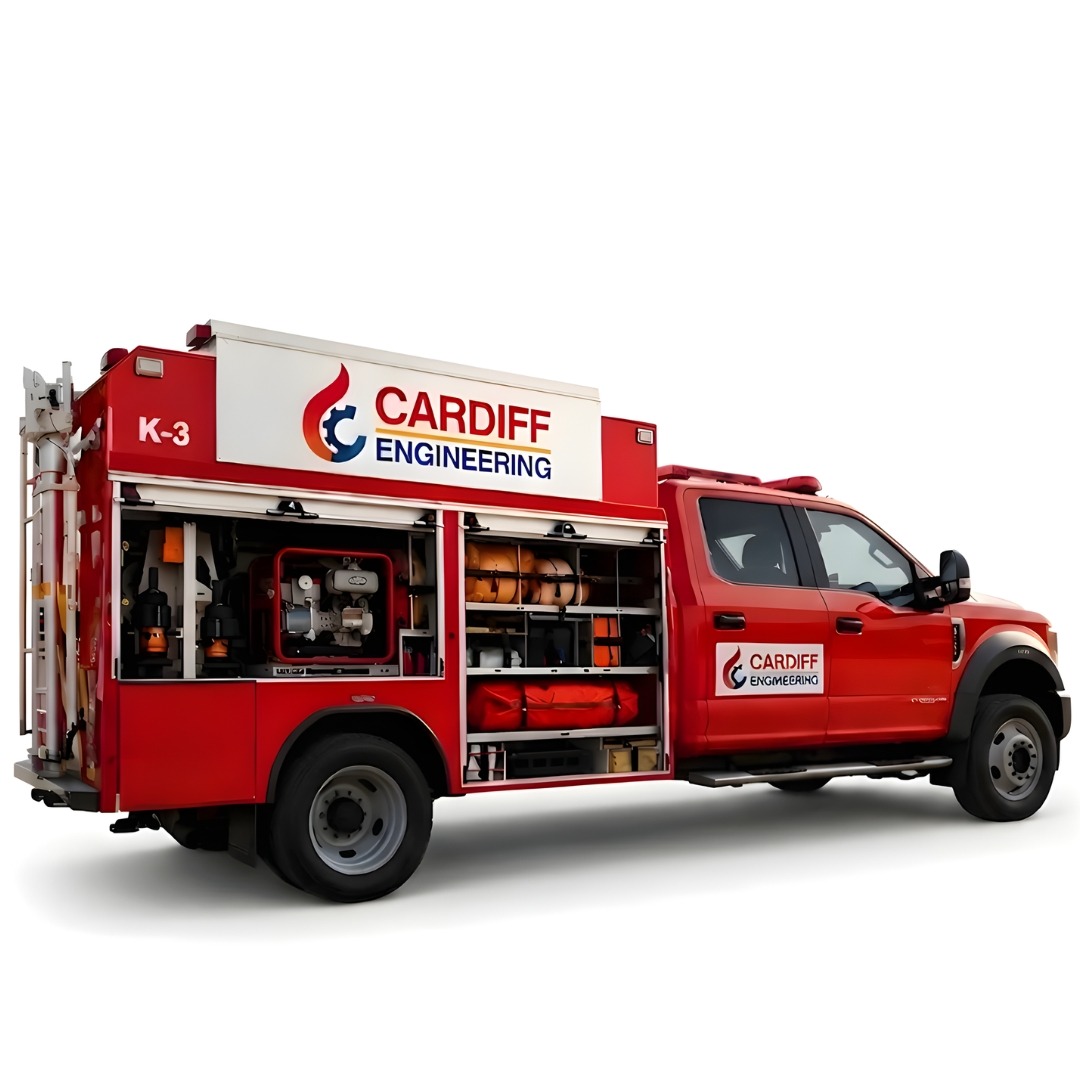
Cardiff Engineering Services builds Mobile ICU Ambulances and other Special Purpose Vehicles according to client requirements.
Our in-house fabrication team manages vehicle body fabrication, interior cabinetry, electrical systems, and medical equipment installation at our Lahore facility.
Each vehicle can include:
- Climate-controlled patient compartment
- Separate driver and patient areas
- Medical-grade interior surfaces
- Easy-clean and easy-disinfection materials
- 240V shore power connection
- Integrated electrical power management
- Emergency LED lighting
- Emergency siren system
- GPS fleet tracking
- Custom medical equipment mounting
- Secure medical storage
- Customized patient care layout
We work with the client’s medical and technical teams during the design stage. This approach helps us create a vehicle that matches the organization’s equipment, procedures, and staff workflow.
Custom Fabrication for Different Requirements
Every emergency service has different operational needs. For this reason, we do not rely on a single standard layout for every project.
Our team can customize the vehicle body, interior storage, medical equipment positions, electrical systems, lighting, patient areas, and other components according to project requirements.
The chassis and vehicle configuration can also vary based on the intended use, patient capacity, equipment load, and operating environment.
Built for Pakistani Operating Conditions
Emergency vehicles must perform reliably in demanding environments. Cardiff Engineering Services considers local road conditions, climate, operating requirements, and service needs during the fabrication process.
Our team focuses on practical layouts, durable materials, efficient equipment placement, and reliable electrical systems.
The result is a purpose-built emergency vehicle designed around real operational requirements.
Investing in Better Pre-Hospital Care
A Mobile ICU Ambulance provides more than patient transportation. It creates a mobile environment where trained medical teams can provide critical care during the journey.
For healthcare providers, rescue organizations, industrial companies, NGOs, and government agencies, the right ambulance configuration can support faster and more effective emergency response.
If your organization needs to procure, upgrade, or expand a Mobile ICU Ambulance fleet, Cardiff Engineering Services can develop a solution around your operational and medical requirements.
Contact Cardiff Engineering Services to discuss Mobile ICU Ambulances, Special Purpose Vehicles, and custom emergency vehicle fabrication.