In emergency situations, every second matters. Whether responding to a fire outbreak, a medical emergency, a road accident, or a large-scale disaster, rescue teams rely heavily on purpose-built rescue vehicles to save lives and minimize damage. These vehicles are not ordinary transport units; they are carefully engineered mobile response systems, designed to perform under extreme and unpredictable conditions.
At Cardiff Engineering Services, we specialize in providing and supporting rescue vehicles engineered for different emergency scenarios. From ambulances and fire trucks to disaster response units, each vehicle is designed with specific equipment, layouts, and technologies to ensure speed, safety, and operational efficiency.
This article explains how rescue vehicles are engineered for different emergencies and why choosing the right vehicle is critical for effective response.
Understanding the Role of Rescue Vehicles
Rescue vehicles act as mobile command centers, carrying trained personnel, specialized equipment, and life-saving tools directly to the emergency site. Their design must account for:
- The nature of the emergency
- Required equipment and tools
- Speed and maneuverability
- Safety of both responders and victims
- Environmental challenges (heat, water, debris, confined spaces)
Because no two emergencies are the same, rescue vehicles are custom-engineered to meet specific operational needs.
Engineering Rescue Vehicles for Fire Emergencies
Fire Trucks and Fire Response Vehicles
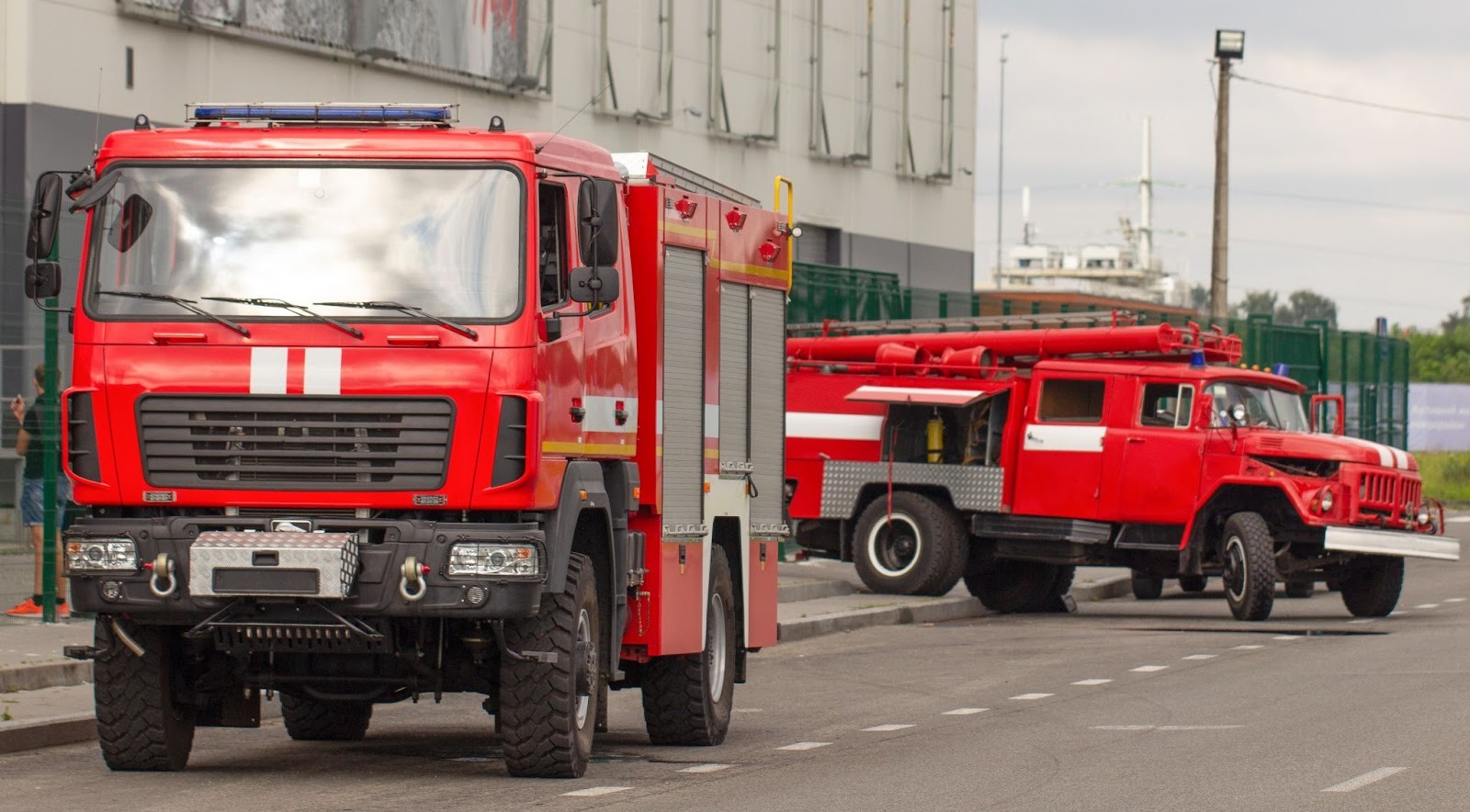
Fire rescue vehicles are engineered to handle high-temperature environments, heavy equipment loads, and rapid deployment.
Key engineering features include:
- High-capacity water tanks and pumps for immediate fire suppression
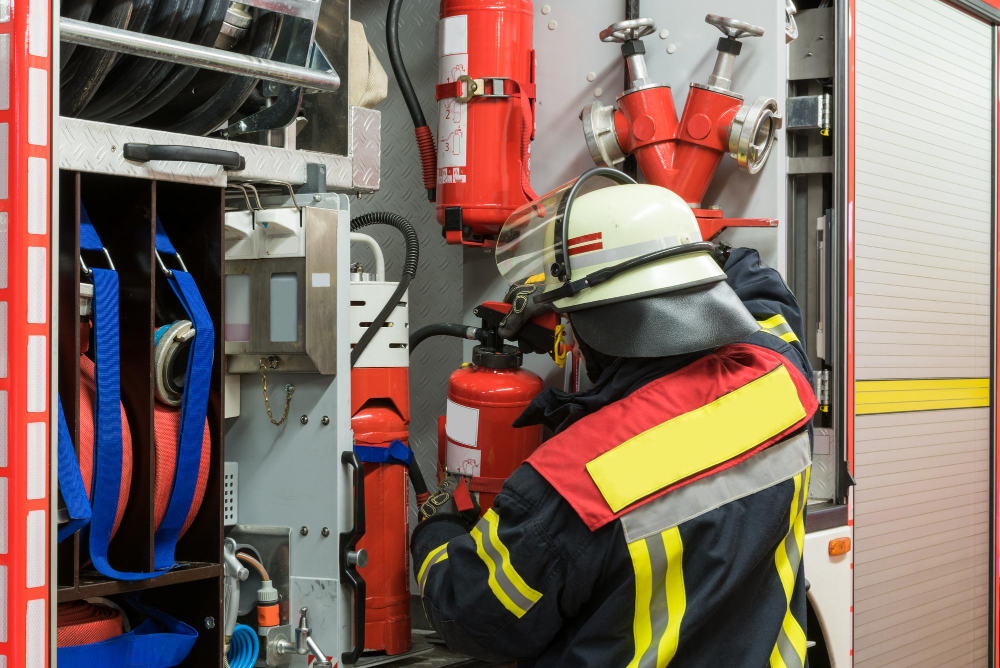
- Fire hose reels, monitors, and nozzles strategically mounted for fast access
- Heat-resistant body materials to withstand extreme temperatures
- Storage compartments for breathing apparatus, fire axes, hoses, and PPE
- Stability systems to support ladders and elevated platforms
Fire vehicles are designed with weight distribution and balance in mind to safely carry water, foam, and heavy tools while maintaining control at high speeds.
Cardiff Engineering Services ensures fire vehicles are configured according to site requirements, whether for industrial plants, commercial buildings, or municipal use.
Engineering Ambulances for Medical Emergencies
Ambulance Design for Rapid Medical Response
Ambulances are engineered as mobile medical units, where patient care begins before reaching the hospital.
Core design elements include:
- Patient-centric interior layouts for easy access during treatment
- Shock-absorbing suspension systems to ensure patient stability
- Oxygen supply systems and medical gas fittings
- Integrated power systems for life-saving equipment
- Sanitation-friendly surfaces for infection control
Advanced ambulances may also include cardiac monitors, defibrillators, ventilators, and medication storage units designed for quick reach and secure placement.
At Cardiff Engineering Services, ambulance engineering focuses on speed, hygiene, ergonomics, and safety, ensuring paramedics can perform efficiently under pressure.
Engineering Rescue Vehicles for Road Accidents
Accident & Extrication Response Vehicles
Road traffic accidents require vehicles engineered for rescue, cutting, and stabilization.
Key features include:
- Hydraulic rescue tools (cutters, spreaders, rams)
- Vehicle stabilization equipment
- High-intensity lighting systems for night operations
- Compact yet powerful generators
- Tool-organized compartments for rapid deployment
These vehicles are often engineered to operate on highways and urban roads, requiring maneuverability, quick braking systems, and visibility enhancements.
Engineering Disaster Response Vehicles
Multi-Purpose Disaster Rescue Units
Disaster response vehicles are among the most complex rescue systems. They are designed for earthquakes, floods, industrial accidents, and large-scale emergencies.
Engineering considerations include:
- Multi-equipment compatibility (rope rescue, water rescue, medical aid)
- Off-road capability for rough and damaged terrain
- Extended fuel capacity for long operations
- Satellite communication systems
- Command and control stations inside the vehicle
These vehicles function as self-sustaining units, allowing rescue teams to operate in areas where infrastructure has collapsed.
Cardiff Engineering Services designs disaster vehicles with flexibility and durability, ensuring they can adapt to rapidly changing emergency conditions.
Engineering Vehicles for Water & Flood Rescue
Water Rescue and Flood Response Vehicles
Flood emergencies require vehicles engineered for water resistance and flotation support.
Special features include:
- High ground clearance or amphibious design
- Mounts for inflatable rescue boats
- Winches and towing systems
- Water-resistant electrical systems
- Anti-corrosion coatings
These vehicles allow responders to reach submerged or isolated areas safely and quickly.
Safety Engineering for Rescue Personnel
Beyond emergency response, rescue vehicles are engineered to protect the rescue teams themselves.
Important safety features include:
- Reinforced cabins and roll-over protection
- Secure seating with safety harnesses
- Fire-resistant and impact-absorbing materials
- Emergency exits and ventilation systems
Cardiff Engineering Services prioritizes rescuer safety, ensuring every vehicle meets strict safety and operational standards.
Customization Based on Operational Needs
No two organizations face identical risks. That’s why rescue vehicles must be customized based on:
- Industry type (industrial, commercial, municipal)
- Risk assessment and emergency scenarios
- Number of responders
- Available infrastructure
Cardiff Engineering Services offers custom-engineered rescue vehicles, tailored to client requirements, compliance standards, and operational goals.
Importance of Maintenance & Training
Engineering does not end at delivery. Rescue vehicles require:
- Regular preventive maintenance
- Equipment testing and calibration
- Driver and operator training
Proper maintenance ensures vehicles remain ready for immediate deployment, while training ensures teams can use vehicle systems efficiently.
Why Choose Cardiff Engineering Services?
Cardiff Engineering Services delivers end-to-end rescue vehicle solutions, including:
- Design and configuration
- Equipment integration
- Installation and commissioning
- Preventive maintenance contracts
- Operator training and support
Our focus is on reliability, compliance, and real-world performance, helping organizations respond effectively when emergencies occur.
Conclusion
Rescue vehicles are not just vehicles — they are life-saving systems on wheels. From fire emergencies and medical response to disaster and flood rescue, each vehicle is engineered with a specific mission in mind.
By investing in properly engineered rescue vehicles, organizations improve response time, operational efficiency, responder safety, and overall emergency preparedness.Cardiff Engineering Services remains committed to delivering rescue vehicles that perform when it matters most — protecting lives, property, and communities.